
How to remove blackheads on the nose at home?
- What Causes Blackheads on the Nose?
- How to Remove Blackheads on the Nose at Home Safely
- Use Salicylic Acid to Dissolve Oil Plugs
- Apply a Clay Mask 1–2 Times Weekly
- Are Pore Strips Effective for Nose Blackheads?
- Try Retinoids to Prevent Blackheads From Returning
- Home Remedies: What Works and What Doesn’t
- Build a Simple Blackhead Removal Routine
- When to See a Dermatologist
- Comparison Table: Which Blackhead Treatment Works Best?
- FAQs About Removing Blackheads on the Nose
- Key Takeaways for Removing Blackheads on the Nose at Home
According to the American Academy of Dermatology (AAD), clogged pores affect millions of Americans every year, especially across the T-zone. That includes the forehead, nose, and chin — areas packed with active sebaceous glands.
Here’s what actually happens.
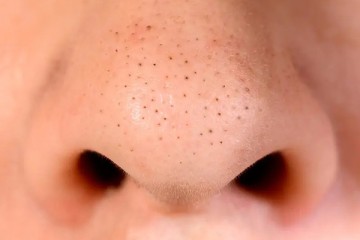
Oil mixes with dead skin cells inside a pore. The pore stays open instead of sealing shut. Then oxygen hits the buildup and oxidizes it, turning the top dark brown or black. Despite the color, that dark spot isn’t dirt. That misconception still hangs around, oddly enough.
And in real life, nose blackheads get worse because modern skincare routines can become a little chaotic. Thick sunscreen layers during humid summers. Sweat under makeup. Heavy cleansing followed by over-exfoliating. The cycle repeats.
The good news: blackheads are usually manageable at home when the approach stays gentle and consistent.
What Causes Blackheads on the Nose?
Blackheads form when excess oil and dead skin cells clog open pores.
Dermatologists call blackheads “open comedones.” The word sounds clinical, but the process is surprisingly ordinary.
Several things tend to trigger them:
- Excess sebum production
- Dead skin buildup
- Hormonal changes
- Sweat and makeup accumulation
- Occlusive skincare products
- Inconsistent cleansing habits
Now, here’s the interesting part. The nose has a higher concentration of sebaceous glands than many other facial areas. So even people with mostly dry skin can still struggle with blackheads around the nostrils.
In practice, certain American lifestyle habits make things worse.
Common US Factors That Trigger Nose Blackheads
| Factor | How It Affects Skin | Typical Scenario |
|---|---|---|
| Humid weather | Increases sweat and oil production | Florida summers, Texas heat |
| Heavy SPF layering | Traps oil when formulas feel too rich | Beach days, outdoor sports |
| Makeup + sweat | Creates buildup inside pores | Long workdays or gym sessions |
| Stress | Hormonal shifts increase sebum | Deadlines, poor sleep cycles |
One thing that surprises many people: aggressive scrubbing rarely fixes blackheads. Usually, it irritates skin and causes more oil production afterward. Kind of frustrating, honestly.
How to Remove Blackheads on the Nose at Home Safely
Safe blackhead removal focuses on dissolving buildup instead of forcing it out.
That distinction matters.
A lot of people attack blackheads with fingernails, metal tools ordered online at 1 a.m., or gritty scrubs that feel satisfying in the moment. But inflammation often follows. Then redness. Sometimes broken capillaries.
Dermatologists generally recommend gentler methods instead:
- Salicylic acid
- Clay masks
- Retinoids
- Mild pore strips
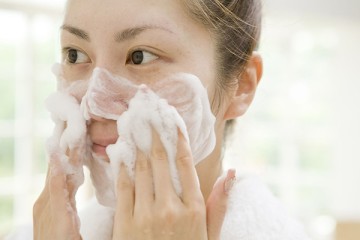
- Consistent cleansing
The overall goal is prevention as much as removal. Once pores stay clear consistently, blackheads gradually shrink and become less visible.
And yes, patience matters more than intensity here. Most people notice visible improvement after roughly 4 to 6 weeks of steady care.
Use Salicylic Acid to Dissolve Oil Plugs
Best for Oily and Acne-Prone Skin
Salicylic acid penetrates oily pores and breaks down trapped debris.
Among over-the-counter ingredients, salicylic acid remains one of the most effective options for nose blackheads. It’s oil-soluble, meaning it travels deeper into pores than many water-based exfoliants.
Look for:
- 0.5% to 2% concentration
- Leave-on liquids or gels
- Oil-free formulas
- Fragrance-light products if skin gets irritated easily
Popular US products include:
| Product | Type | Strength | Best Feature |
|---|---|---|---|
| CeraVe SA Cleanser | Face wash | Salicylic acid blend | Gentle for daily use |
| Paula’s Choice 2% BHA Liquid | Leave-on exfoliant | 2% BHA | Strong pore-clearing action |
| Neutrogena Oil-Free Acne Wash | Cleanser | 2% salicylic acid | Budget-friendly |
There’s a noticeable difference between these formulas.
Paula’s Choice works faster for stubborn congestion because it stays on the skin longer. CeraVe feels milder and less drying, especially during colder months when indoor heating wrecks the moisture barrier. Neutrogena sits somewhere in the middle — effective, accessible, but slightly harsher for sensitive skin types.
That difference becomes obvious around week two for many people.
How Often to Use It
For most skin types, once nightly works well initially.
Overdoing salicylic acid tends to backfire. Skin gets tight, flaky, irritated… then oil production ramps up again. A pretty classic skincare mistake.
Apply a Clay Mask 1–2 Times Weekly
Best for Enlarged Nose Pores
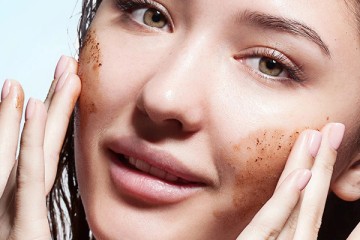
Clay masks absorb excess oil and temporarily reduce the appearance of clogged pores.
Kaolin and bentonite clay are the main ingredients worth looking for. They pull oil from the skin surface and leave pores looking cleaner for a short period.
The effect isn’t permanent, but it helps.
Simple Clay Mask Routine
- Wash your face with a gentle cleanser.
- Apply a thin layer over the nose.
- Leave it on for 10 to 15 minutes.
- Rinse with lukewarm water.
- Apply moisturizer afterward.
Two well-known US options include:
- Aztec Secret Indian Healing Clay
- The Ordinary Salicylic Acid 2% Masque
Aztec Secret delivers that super-tight “deep clean” feeling people either love or hate. The Ordinary version feels more refined and less messy, especially if quick routines matter.
One important detail gets overlooked constantly: don’t let clay masks crack completely. Once the mask becomes desert-dry and starts flaking everywhere, moisture loss increases dramatically.
Skin usually feels stripped afterward. Not clean. Just irritated.
Are Pore Strips Effective for Nose Blackheads?
Pore strips remove surface buildup but don’t stop blackheads from returning.
That’s the reality behind those oddly satisfying before-and-after photos.
Biore strips and similar products physically pull oxidized debris from the pore opening. The immediate result looks dramatic, especially under bathroom lighting. But the deeper clog often remains.
So technically, pore strips are cosmetic maintenance rather than treatment.
How to Use Pore Strips Safely
- Use once weekly at most
- Apply to clean, damp skin
- Remove slowly
- Follow with moisturizer
Avoid Pore Strips If You Have:
- Rosacea
- Sensitive skin
- Broken capillaries
- Active irritation
In practice, people with resilient oily skin tolerate pore strips better than people with reactive or redness-prone skin.
And honestly, the temptation to overuse them gets strong after seeing the strip afterward. That’s where problems usually begin.
Try Retinoids to Prevent Blackheads From Returning
Best Long-Term Strategy
Retinoids increase cell turnover and help prevent clogged pores before they form.
This category includes retinol and adapalene. Both encourage faster shedding of dead skin cells, reducing buildup inside follicles.
Popular over-the-counter US products include:
| Product | Active Ingredient | Strength | Skin Type |
|---|---|---|---|
| Differin Gel | Adapalene | 0.1% | Acne-prone skin |
| La Roche-Posay Retinol Serum | Retinol | Moderate | Beginner-friendly |
| CeraVe Resurfacing Retinol Serum | Retinol | Gentle | Sensitive combination skin |
Differin tends to work best for persistent blackheads and mild acne. Retinol serums feel less intense initially, although results usually appear more gradually.
That adjustment phase matters.
Retinoids commonly cause:
- Dryness
- Peeling
- Temporary purging
- Mild irritation
Most dermatologists suggest starting 2 to 3 nights weekly.
And sunscreen becomes non-negotiable during daytime use because retinoids increase sun sensitivity.
Home Remedies: What Works and What Doesn’t
The internet loves DIY skincare. Some remedies help a little. Others belong nowhere near facial skin.
Home Remedies That Can Help
Warm Compress
A warm washcloth softens hardened oil inside pores, making gentle cleansing more effective afterward.
Not glamorous. Surprisingly useful.
Honey Masks
Raw honey has mild antibacterial properties and feels calming on inflamed skin. The effect stays subtle, though. Nobody wakes up poreless overnight from honey.
Home Remedies to Avoid
| DIY Remedy | Why It Causes Problems |
|---|---|
| Baking soda | Disrupts skin pH |
| Lemon juice | Causes irritation and sensitivity |
| Toothpaste | Damages the skin barrier |
| Sugar scrubs | Creates microtears |
The AAD discourages harsh DIY exfoliants because they frequently trigger irritation rather than improvement.
And irritation often makes blackheads look worse temporarily due to swelling around pores.
Build a Simple Blackhead Removal Routine
Consistency clears blackheads more effectively than aggressive treatments.
A complicated 12-step skincare routine usually isn’t necessary. In many cases, simpler routines work better because people actually stick with them.
Morning Routine
- Gentle cleanser
- Oil-free moisturizer
- Broad-spectrum SPF 30+
Evening Routine
- Cleanser
- Salicylic acid or retinoid
- Lightweight moisturizer
A practical US drugstore routine can stay under $40 total:
| Product Category | Example Product | Approximate Cost |
|---|---|---|
| Cleanser | CeraVe Foaming Facial Cleanser | $12 |
| Treatment | Differin Gel or CeraVe SA Cleanser | $15 |
| Moisturizer | Neutrogena Hydro Boost Gel | $10 |
That affordability matters because consistency disappears quickly when products become financially exhausting.
And honestly, expensive skincare doesn’t automatically outperform basic dermatologist-recommended formulas.
When to See a Dermatologist
Persistent blackheads may require professional treatment after 8 weeks of home care.
At-home routines help many people, but some cases need stronger intervention.
Consider seeing a board-certified dermatologist if:
- Blackheads remain stubborn after two months
- Painful cystic acne develops
- Scarring appears
- Skin becomes chronically inflamed
Professional treatments may include:
- Prescription retinoids
- Chemical peels
- Professional extractions
- Laser treatments
In the United States, dermatology consultations typically range from $100 to $250 depending on region and provider experience.
Professional extraction differs dramatically from squeezing at home. Dermatologists use sterile tools, controlled pressure, and proper technique to reduce trauma.
That distinction matters more than people realize.
Comparison Table: Which Blackhead Treatment Works Best?
| Method | Speed | Long-Term Results | Irritation Risk | Best For |
|---|---|---|---|---|
| Salicylic acid | Moderate | Strong | Moderate | Oily skin |
| Clay masks | Fast cosmetic improvement | Mild | Low | Enlarged pores |
| Pore strips | Immediate surface cleanup | Weak | Moderate | Occasional maintenance |
| Retinoids | Slow initially | Excellent | Higher during adjustment | Recurring blackheads |
| DIY remedies | Variable | Usually limited | Often unpredictable | Mild congestion |
Retinoids generally deliver the strongest long-term improvement, but they demand patience. Salicylic acid gives the best balance between speed and accessibility for most people.
Pore strips feel satisfying instantly. That’s probably why they remain so popular despite limited long-term results.
FAQs About Removing Blackheads on the Nose
How long does it take to remove nose blackheads?
Most people notice improvement within 4 to 6 weeks of consistent treatment. Deep congestion can take longer.
Can blackheads disappear permanently?
Not exactly. Pores continue producing oil naturally. The goal becomes prevention and control rather than permanent elimination.
Is squeezing blackheads bad?
Aggressive squeezing often causes inflammation, broken capillaries, and scarring. Gentle professional extraction is safer.
Does toothpaste remove blackheads?
No. Toothpaste commonly irritates facial skin and damages the moisture barrier.
Are blackheads dirt?
No. The dark color comes from oxidation, not trapped dirt.
Which ingredient works best for nose blackheads?
Salicylic acid remains one of the most effective over-the-counter ingredients because it penetrates oily pores directly.
Key Takeaways for Removing Blackheads on the Nose at Home
Blackheads respond best to steady, gentle treatment rather than aggressive scrubbing or squeezing.
The most effective at-home strategies include:
- Using salicylic acid regularly
- Applying clay masks weekly
- Avoiding harsh DIY remedies
- Trying retinoids for prevention
- Wearing sunscreen consistently
And perhaps the biggest thing people learn after a few months: skincare usually rewards patience more than intensity.
Most blackheads improve gradually. Quietly, almost. Then one morning the nose looks smoother under bright lighting, and the oversized pores suddenly seem less obvious than they did six weeks earlier.