
The Perfect 8-Step Skincare Routine
- Why an 8-Step Skincare Routine Works
- Step 1: Cleanser — The Foundation of Every Routine
- Step 2: Toner — Balance and Prep
- Step 3: Exfoliation — 2 to 3 Times Per Week
- Step 4: Essence — Lightweight Hydration That Actually Helps
- Step 5: Serum — The Treatment Step
- Step 6: Eye Cream — Support for the Delicate Eye Area
- Step 7: Moisturizer — Lock in Hydration
- Step 8: Sunscreen — The Most Important Step
- Morning vs Night Routine
- How Much Does a Full Skincare Routine Cost in the U.S.?
- Common Skincare Mistakes Americans Make
- What Actually Happens After a Few Months
- FAQs About the Perfect 8-Step Skincare Routine
- Final Thoughts on the Perfect 8-Step Skincare Routine
That’s the reality most people in the U.S. deal with.
American consumers spend more than $20 billion every year on skincare, yet confusion still dominates the conversation. One product promises glass skin. Another claims instant lifting. Social media pushes 14-step routines one week and “skinimalism” the next. Somewhere in the middle, your skin barrier quietly begs for balance.
The good news? Effective skincare is far less complicated than the beauty industry sometimes makes it seem.
This complete 8-step skincare routine breaks down what actually matters, what works for different skin types, and how to build a routine using products available at Sephora, Ulta Beauty, Target, CVS Health, or Walmart. Nothing overly complicated. Nothing unrealistic.
Just practical skincare that fits real American lifestyles.
Why an 8-Step Skincare Routine Works
An 8-step routine sounds excessive until the steps are separated into categories. In practice, several steps take less than 30 seconds.
The structure matters because each layer does a different job:
- Cleansing removes buildup
- Toners rebalance hydration
- Exfoliation improves texture
- Essences add lightweight moisture
- Serums target specific concerns
- Eye creams support delicate skin
- Moisturizers seal everything in
- Sunscreen protects long-term skin health
Think of skincare like building a house. Sunscreen is the roof. Moisturizer is insulation. Serums are targeted repairs. Without the foundation, expensive treatments don’t perform nearly as well.
And honestly, that’s where many routines fall apart.
Step 1: Cleanser — The Foundation of Every Routine
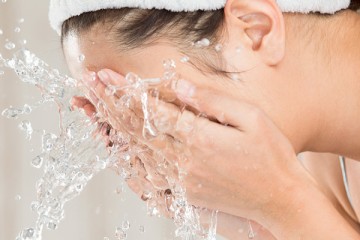
Cleansing removes oil, dirt, SPF, sweat, pollution, and leftover makeup. In cities like Los Angeles, Houston, and New York City, airborne pollution particles cling to skin throughout the day. By nighttime, skin carries more buildup than most people realize.
Best Cleanser Types by Skin Type
| Skin Type | Recommended Cleanser | Texture Difference | Personal Commentary |
|---|---|---|---|
| Oily Skin | Gel Cleanser | Lightweight, foamy | Gel formulas usually leave skin feeling cleaner without that heavy residue some cream cleansers create. |
| Dry Skin | Cream Cleanser | Rich and hydrating | Cream cleansers tend to feel comforting during winter, especially when indoor heating dries out skin. |
| Sensitive Skin | Micellar Water | Ultra-light | Micellar formulas work well when skin feels irritated or over-exfoliated. |
| Combination Skin | Low-Foam Cleanser | Balanced texture | Combination skin usually responds better to formulas that cleanse without over-stripping oily areas. |
Popular U.S. Cleansers
- CeraVe Hydrating Cleanser
- La Roche-Posay Toleriane Hydrating Gentle Cleanser
- Vanicream Gentle Facial Cleanser
- Neutrogena Hydro Boost Cleanser
Hot water feels relaxing. Unfortunately, skin doesn’t love it.
Lukewarm water protects the skin barrier far better. In practice, people who switch from hot water to lukewarm water often notice less redness and tightness within a few weeks.
And yes, that small adjustment actually matters.
Step 2: Toner — Balance and Prep
Toners earned a terrible reputation during the 1990s because many formulas were loaded with alcohol. Those old-school versions often left skin squeaky, tight, and irritated.
Modern toners are completely different.
Today’s formulas focus on hydration, barrier support, and preparing skin for the next steps.
Ingredients Worth Looking For
- Hyaluronic acid
- Glycerin
- Rose water
- Panthenol
- Green tea extract
Ingredients to Limit
| Ingredient Type | Why It Can Be Problematic |
|---|---|
| High Alcohol Content | Can weaken the skin barrier over time |
| Artificial Fragrance | Often irritates sensitive skin |
| Witch Hazel in High Concentrations | Sometimes too drying for daily use |
A good toner feels almost invisible. Skin simply looks calmer and slightly more hydrated afterward.
That subtle difference matters more than dramatic instant results.
Step 3: Exfoliation — 2 to 3 Times Per Week
Exfoliation removes dead skin cells and improves texture. It also helps serums absorb more effectively.
But here’s where things get messy for many Americans: over-exfoliation has become incredibly common.
Too many acids. Too many scrubs. Too many “peeling solutions.”
What tends to happen is skin initially looks smoother, then suddenly becomes irritated, flaky, and reactive.
Chemical vs Physical Exfoliation
| Type | Examples | Main Benefit | Commentary |
|---|---|---|---|
| Chemical Exfoliants | AHAs, BHAs | Dissolve dead skin cells evenly | Chemical exfoliants usually create more consistent results with less physical irritation. |
| Physical Exfoliants | Scrubs, cleansing brushes | Immediate smoothness | Physical exfoliation can feel satisfying, but aggressive scrubbing often damages sensitive skin. |
Most Effective Exfoliating Ingredients
- Glycolic acid for dullness
- Salicylic acid for acne-prone skin
- Lactic acid for sensitive or dry skin
Dermatologists across the U.S. frequently recommend salicylic acid because it penetrates oily pores effectively.
Still, slower almost always works better.
Starting once weekly often prevents irritation later.
Step 4: Essence — Lightweight Hydration That Actually Helps
Essence became popular through Korean beauty brands, but American skincare consumers have embraced it quickly.
And for good reason.
Essence acts like a hydration bridge between cleansing and treatment products. It gives skin a slightly damp, hydrated base so serums absorb more effectively.
Dry climates especially benefit from this step. In places like Phoenix or Las Vegas, low humidity constantly pulls moisture from the skin.
What Makes Essence Different From Toner?
| Product | Primary Purpose | Texture |
|---|---|---|
| Toner | Rebalance and prep skin | Watery |
| Essence | Deep lightweight hydration | Slightly thicker |
The difference seems small until skin starts feeling softer and less dehydrated during the day.
That’s usually the point where people finally understand the hype.
Step 5: Serum — The Treatment Step
Serums contain concentrated active ingredients designed to target specific concerns.
This is the “problem-solving” step of the routine.
Best Serum Ingredients by Skin Goal
| Skin Goal | Recommended Ingredient | Best Time to Use |
|---|---|---|
| Brightening | Vitamin C | Morning |
| Anti-Aging | Retinol | Night |
| Hydration | Hyaluronic Acid | Morning or Night |
| Acne Control | Niacinamide | Usually Both |
| Redness | Azelaic Acid | Night |
Popular U.S. Serums
- The Ordinary Vitamin C Suspension
- SkinCeuticals C E Ferulic
- Paula’s Choice Niacinamide Booster
- Olay Retinol24 Serum
Vitamin C works particularly well in morning routines because antioxidants help defend skin against environmental stressors.
Retinol, meanwhile, performs better at night because sunlight can destabilize the ingredient.
One important detail gets overlooked constantly online: stronger doesn’t automatically mean better.
A gentle retinol used consistently for six months usually outperforms an aggressive formula used inconsistently for three weeks.
Step 6: Eye Cream — Support for the Delicate Eye Area
The under-eye area contains thinner skin and fewer oil glands. That makes puffiness, dryness, and fine lines more noticeable.
Especially during allergy season.
Spring allergies across many parts of the U.S. often trigger under-eye swelling and irritation. Eye creams containing caffeine can temporarily reduce puffiness by constricting blood vessels slightly.
Ingredients That Actually Matter
- Peptides
- Ceramides
- Caffeine
- Hyaluronic acid
Eye cream doesn’t need to be expensive to work well.
In fact, several affordable drugstore formulas perform surprisingly well compared to luxury products costing five times more.
Texture matters more than branding most of the time.
Step 7: Moisturizer — Lock in Hydration
Moisturizer protects the skin barrier and reduces water loss.
Without moisturizer, even expensive serums struggle to deliver long-term results.
Best Moisturizer Types
| Skin Type | Recommended Texture |
|---|---|
| Oily | Lightweight gel |
| Dry | Rich cream |
| Combination | Lotion |
| Sensitive | Fragrance-free cream |
Barrier-Supporting Ingredients
- Ceramides
- Squalane
- Shea butter
- Colloidal oatmeal
Winter changes everything.
Cold states like Minnesota, Illinois, and Colorado create harsh conditions for skin because freezing outdoor air combined with indoor heating strips moisture aggressively.
During winter, many people suddenly believe products “stopped working.” Usually, the environment changed first.
A richer moisturizer often solves the issue surprisingly fast.
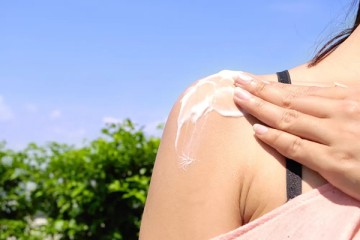
Step 8: Sunscreen — The Most Important Step
If only one skincare step survives a busy morning, sunscreen deserves the spot.
The American Academy of Dermatology recommends SPF 30 or higher every day.
Not just at the beach. Not just during summer.
Daily.
UV damage contributes to:
- Hyperpigmentation
- Fine lines
- Collagen breakdown
- Skin cancer risk
Mineral vs Chemical Sunscreen
| Type | Active Ingredients | Texture & Feel | Commentary |
|---|---|---|---|
| Mineral SPF | Zinc oxide, titanium dioxide | Slightly thicker | Mineral formulas work well for sensitive skin but sometimes leave a white cast. |
| Chemical SPF | Avobenzone, oxybenzone | Lightweight | Chemical sunscreens generally blend more easily under makeup. |
What to Look For
- Broad-spectrum protection
- SPF 30+
- Water resistance
In sunny states like Florida, Arizona, and California, sunscreen isn’t optional skincare. It’s basic skin protection.
And yes, reapplication matters.
Two hours outdoors can significantly reduce SPF effectiveness.
Morning vs Night Routine
Not every step belongs in both routines.
Morning Routine
- Cleanser
- Toner
- Vitamin C Serum
- Moisturizer
- Sunscreen
Morning skincare focuses on protection.
Night Routine
- Cleanser
- Exfoliation (2–3 times weekly)
- Essence
- Retinol Serum
- Eye Cream
- Moisturizer
Nighttime skincare focuses more on repair and recovery.
That separation helps prevent ingredient overload.
How Much Does a Full Skincare Routine Cost in the U.S.?
Skincare pricing varies dramatically.
Some consumers build excellent routines entirely from Target or Walmart. Others invest in luxury dermatology brands.
Both approaches can work.
Average Routine Costs
| Budget Level | Estimated Cost | Typical Stores |
|---|---|---|
| Budget | $80–$120 | Target, Walmart, CVS |
| Mid-Range | $150–$300 | Sephora, Ulta Beauty |
| Premium | $500+ | Medical spas, luxury brands |
Expensive products sometimes deliver elegant textures and stronger research backing. But price alone doesn’t guarantee better skin.
Consistency usually matters more.
That truth frustrates people a little at first. Then it becomes freeing.
Common Skincare Mistakes Americans Make
Using Too Many Active Ingredients
Layering retinol, exfoliating acids, vitamin C, and acne treatments together often leads to irritation.
More products don’t automatically create faster results.
Skipping Sunscreen During Winter
UV rays remain active year-round, even during cloudy weather.
Snow can actually reflect sunlight and increase UV exposure.
Mixing Retinol With Strong Acids
That combination frequently overwhelms the skin barrier.
Spacing treatments across different nights tends to work better.
Ignoring Patch Testing
New products occasionally trigger irritation, especially fragrance-heavy formulas.
Testing products on a small area first prevents larger reactions later.
What Actually Happens After a Few Months
This part deserves honesty.
Skin rarely transforms overnight.
Usually, the first noticeable change is smoother texture. Then hydration improves. Brightness tends to follow later. Fine lines and acne discoloration often take several months.
That slower timeline catches many people off guard because social media compresses skincare progress into dramatic before-and-after photos.
Real skin moves slower.
But consistent routines genuinely work.
FAQs About the Perfect 8-Step Skincare Routine
Does every person need all 8 skincare steps?
Not necessarily. Many people use 5 or 6 steps daily and add exfoliation or treatments only a few times weekly. The best routine fits your skin type, lifestyle, and climate.
How long does skincare take to show results?
Hydration improvements often appear within days. Acne treatments and anti-aging products usually require 6–12 weeks for visible changes.
Can oily skin skip moisturizer?
No. Oily skin still needs hydration. Skipping moisturizer sometimes increases oil production because skin tries to compensate for dryness.
Is Korean skincare better than American skincare?
Korean skincare often focuses heavily on hydration and prevention, while American skincare brands frequently emphasize stronger active ingredients. Neither approach is universally better. Skin goals matter more than country of origin.
What age should retinol start?
Many dermatologists recommend introducing gentle retinol products during the mid-to-late twenties, especially for prevention-focused skincare.
Can sensitive skin exfoliate safely?
Yes. Lactic acid and enzyme exfoliants usually work better for sensitive skin because they exfoliate more gently than strong scrubs or high-percentage acids.
Final Thoughts on the Perfect 8-Step Skincare Routine
The perfect skincare routine isn’t really about perfection.
It’s about consistency, patience, and understanding what your skin actually needs instead of chasing every trend online.
American lifestyles expose skin to stress, pollution, air conditioning, harsh winters, long workdays, and constant UV exposure. A structured skincare routine creates stability against all of that.
Simple routines often outperform complicated ones because people actually stick with them.
Cleanse gently. Hydrate consistently. Protect your skin daily. Add active ingredients slowly.
Your skin notices the difference over time. Quietly at first. Then all at once.