

Beauty care
Expert tips to enhance your beauty and wellbeing.
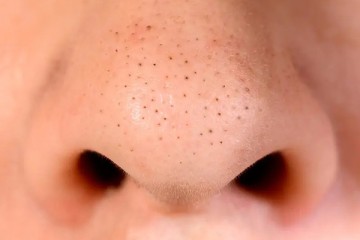
Blackheads on the nose have a way of feeling oddly stubborn. They sit there through humid July afternoons, through rushed morning makeup, through post-gym mirror checks under brutal bathroom lighting. And in the U.S., that makes sense. American skin habits often pile up in the same place: sweat, sunscreen, long-wear foundation, city air, and a fast routine that leans heavy on products but light on patience.
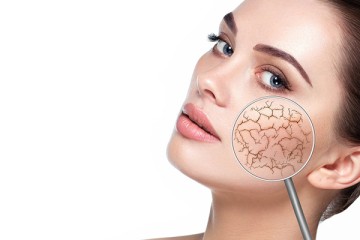
Dry skin rarely starts as a dramatic problem. More often, it shows up quietly: tight cheeks after a shower, flaky hands by mid-afternoon, shins that suddenly look ashy when the weather turns. Then winter hits, the heater stays on, and the whole thing gets louder.
That pattern is familiar across the United States. Dry skin affects millions of Americans every year, and the American Academy of Dermatology identifies it as one of the most common skin complaints in the country. In real life, that looks less like a textbook condition and more like a daily tug-of-war between your skin and your environment. Cold air, hard water, hot showers, stress, aging, indoor air, and even diet all pull moisture away in different ways. Once those pieces start stacking up, irritation and flaking tend to follow.
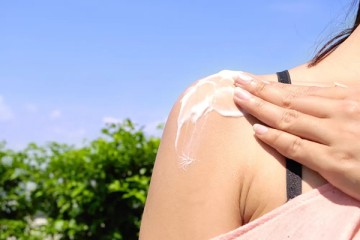
A lot of sunscreen damage starts with a completely ordinary day. Not a tropical vacation. Not a marathon in July. Just a dog walk under a gray sky, a quick drive with the sun hitting one side of the face, a youth soccer game that turns into three hours on metal bleachers. That is usually how the trouble begins in the U.S. Sun exposure rarely looks dramatic while it is happening.

You probably notice collagen for skin everywhere now. Powders in coffee, beauty supplements in neat little sachets, skincare products promising bounce, glow, firmness. And honestly, that attention makes sense. Collagen is not just another trendy label. Collagen is the main structural protein that helps keep your skin firm, smooth, and resilient.

Walk into any drugstore skincare aisle in the U.S., glance at a breakout in the mirror, and the same thought tends to pop up: Was it the chocolate? That suspicion shows up every Halloween, every Valentine’s Day, every late-night snack run that ends with a crumpled candy wrapper.

You notice a breakout the morning after smoking, and the thought hits almost immediately—was it the weed?
That question shows up more often now, especially across the United States where cannabis use has become, well, pretty normal. Dispensaries sit next to coffee shops in some cities. Edibles, vapes, pre-rolls—they’re everywhere. And naturally, your skin becomes part of the conversation.