
8 Bad Habits To Avoid For Skin
- Key Takeaways
- 1. Skipping Sunscreen: The Most Dangerous Bad Habit to Avoid for Skin
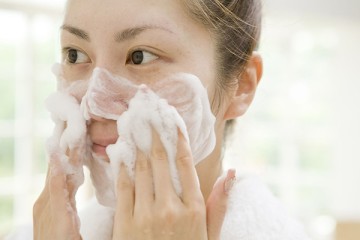
- 2. Overwashing Your Face: Stripping the Skin Barrier
- 3. Sleeping With Makeup On: A Common Bad Habit to Avoid for Skin
- 4. Touching Your Face Frequently: Spreading Bacteria
- 5. Not Moisturizing Properly: Weakening Skin Resilience
- 6. Over-Exfoliating: Damaging the Protective Layer
- 7. Poor Diet Choices: Feeding Inflammation
- 8. Lack of Sleep and Chronic Stress: Accelerating Skin Aging
- Final Thoughts
- Frequently Asked Questions
Bad habits for skin rarely announce themselves. They're the mascara you fell asleep in, the SPF sitting untouched on your bathroom shelf through winter, and the number of times your hand drifts to your face without you even noticing. Each individual thing? Probably fine. But stretch those habits across months or years, and what dermatologists tend to see is a predictable pattern: a damaged skin barrier, early fine lines, chronic low-grade inflammation, and texture that's increasingly difficult to smooth out.
Here's what the science keeps circling back to—your daily choices have downstream consequences. The gut-skin connection, oxidative stress, gradual collagen breakdown, and a disrupted skin microbiome aren't abstract biology. They're what repeated poor habits produce over time. The goal here isn't to make skincare feel like a full-time job. It's to get clear on which habits ruin skin the fastest, so the swaps feel obvious rather than overwhelming.
Key Takeaways
- Going without sunscreen daily is the single fastest driver of photoaging and skin cancer risk. Sun damage accumulates on cloudy days and through windows.
- Overwashing and over-exfoliating both strip the lipid layer that protects your skin, triggering more oil production and irritation as a rebound response.
- Chronic sleep deprivation raises cortisol levels, which directly degrades collagen and elastin fibers over time.
- High-glycemic foods spike insulin, which increases androgen activity and sets off the inflammatory chain that leads to breakouts.
- Most skin damage is cumulative. The habits that seem minor today tend to show up on your face somewhere around year five.
1. Skipping Sunscreen: The Most Dangerous Bad Habit to Avoid for Skin
A lot of people mentally file sunscreen under “beach activity.” That's where the problem starts.
UV radiation is the leading driver of premature skin aging, and it doesn't require sunshine or a summer trip to do real damage. UVA rays—the ones responsible for long-term photoaging—pass through cloud cover and glass without much difficulty. They reach the deeper layers of your skin where elastin lives, quietly breaking down collagen and triggering DNA damage that won't show up for years. By the time sunspots or deep wrinkles appear, the damage happened long before that.
UVB rays are what burn you. UVA rays are what age you. Broad-spectrum SPF 30 or higher addresses both. The odd thing is that most people understand sunscreen matters—they just treat it like a seasonal product, relevant in July and irrelevant in November.
Free radicals from UV exposure create oxidative stress across the skin's surface. That oxidative damage chips away at the structural proteins responsible for firmness and even tone. Melanin does offer some natural protection, but not in amounts that make sunscreen optional for any skin tone. Dermatology organizations are consistent on this point. Daily SPF is the most evidence-backed anti-aging step that exists.
What tends to happen without it over time includes gradual hyperpigmentation, a noticeable loss of elasticity, and a dull, uneven texture that's far more stubborn to reverse than prevent. Getting sunscreen on in the morning takes under 30 seconds. That's a pretty reasonable trade.
2. Overwashing Your Face: Stripping the Skin Barrier
There's a version of “clean skin” that people chase by washing more frequently, and it usually backfires.
Your skin barrier is a layered structure made up of lipids, ceramides, and proteins that keeps moisture in and irritants out. Washing twice a day is generally fine. Washing three, four, or five times a day—or using a stripping cleanser even twice—disrupts that barrier faster than most people expect.
When the lipid layer keeps getting cleared away, something called transepidermal water loss, or TEWL, increases. This means your skin loses moisture faster than it can replace it. The result is that familiar tight, uncomfortable feeling after washing.
For oily skin specifically, there's a rebound loop worth understanding. The sebaceous glands respond to dryness by producing more sebum, which means overwashing an oily face tends to make it oilier over time, not less. Barrier disruption also nudges the skin's pH slightly off balance, making the environment less hospitable for a healthy microbiome.
A gentle, pH-balanced cleanser used morning and night is usually all the skin needs. If your face consistently feels tight or looks red after cleansing, that's a signal that either the formula or the frequency needs adjusting.
3. Sleeping With Makeup On: A Common Bad Habit to Avoid for Skin
It feels minor. After a long day, it is minor. But the consequences are less so.
Foundation and concealer oxidize on the skin over several hours. That oxidized residue settles into pores and contributes to comedones, blackheads, and a congested, dull texture that takes real effort to clear up.
Meanwhile, your skin is trying to run its overnight repair cycle. Cell turnover accelerates during sleep, and the skin absorbs what's sitting on its surface. Old makeup, pollution residue, and accumulated bacteria are not great things for it to be working with.
The bacterial element is worth taking seriously. Your skin naturally hosts microorganisms, but leaving a layer of makeup on gives bacteria a surface to proliferate on throughout the night. That's a consistent driver of inflammation and breakouts. Eye makeup is particularly irritating when left overnight, given how delicate the skin around the eyes is.
Double cleansing—an oil-based cleanser first to break down makeup and SPF, followed by a water-based cleanser—tends to work better than a single pass with micellar water, especially for people prone to clogged pores. It's a slightly longer routine, but for the right skin type, the difference in texture and congestion can show up within a few weeks.
4. Touching Your Face Frequently: Spreading Bacteria
The average person touches their face somewhere between 20 and 23 times per hour. Most of it is unconscious—resting a chin on a hand, rubbing an eye, scrolling on a phone, and then touching a cheek.
Every surface those hands have touched—keyboards, door handles, and phones—carries bacteria and cross-contaminants that transfer directly onto the skin. For acne-prone skin, this matters more. Touching existing breakouts introduces new bacteria into already-inflamed pores and can spread infection to nearby areas. It also sustains mechanical irritation that keeps inflammation going longer than it would on its own.
Picking or popping makes things considerably worse. It pushes bacteria deeper into the pore, raises the risk of scarring, and almost always extends the life of a breakout rather than cutting it short.
Habit awareness is where this starts. Most face-touching happens without any conscious decision. Keeping your hands occupied, wiping down phone screens regularly, and noticing the moments when you tend to rest your face on your hands can make a real difference on a reactive complexion.
It's not about being hypervigilant. It's simply about reducing unnecessary contamination on skin that's already working hard.
5. Not Moisturizing Properly: Weakening Skin Resilience
There's a common assumption among people with oily skin that moisturizer makes things worse. In practice, skipping it usually does the opposite of what's intended.
Dehydrated skin—which is about water content, not oil levels—compensates by producing more sebum. The result is that specific, frustrating combination of looking oily while feeling tight or flaky at the same time. Moisturizer doesn't cause that. The absence of it often does.
Humectants like hyaluronic acid and glycerin pull water into the outer layers of the skin and hold it there, supporting elasticity and softening the appearance of fine lines.
Ceramides work differently. They reinforce the skin barrier from within, filling gaps between cells to slow transepidermal water loss. Without consistent moisturizing, the structural environment that keeps collagen and elastin functioning well deteriorates gradually, and skin texture gets rougher over time.
Dry skin and dehydrated skin aren't the same condition, and mixing them up leads to using the wrong products entirely.
| Factor | Dry Skin | Dehydrated Skin |
|---|---|---|
| Cause | Lacks natural oil or sebum | Lacks water content |
| Classification | A skin type | A temporary condition |
| Feel and appearance | Rough, flaky, and tight | Dull and tight, with visible fine lines |
| Recommended solution | Emollients and occlusives | Humectants and adequate water intake |
| Who it affects | Usually consistent and genetic | Anyone, including people with oily skin |
Getting this distinction wrong is why many people use the wrong moisturizer. Oily-skin types often skip moisturizer or choose something too light to address dehydration. Dry-skin types sometimes pile on heavy occlusives without adding water content first.
For most people, layering a humectant under a moisturizer covers both bases.
6. Over-Exfoliating: Damaging the Protective Layer
Exfoliation, done right, genuinely works. It accelerates cell turnover, clears dead skin from the surface, and helps active ingredients absorb more effectively. Done too often—or stacked with too many acidic products at once—it strips the protective layer faster than the skin can rebuild it.
AHAs and BHAs are the most commonly misused exfoliants. People layer multiple acid products daily without fully registering that the irritation compounds with each addition.
Retinol adds another variable. It increases cell turnover on its own, so pairing it with chemical exfoliants too frequently tends to produce peeling, persistent redness, and sensitivity that takes weeks to calm down.
Physical scrubs are their own issue. Aggressive exfoliating grains create micro-tears in the skin, which are particularly problematic for sensitive or acne-prone types. Those small wounds increase inflammation and make the barrier more permeable to irritants.
For most people, exfoliating two to three times a week with a single chemical exfoliant is roughly where the results are solid and the damage is minimal.
If the skin is visibly peeling outside of a planned chemical peel, or suddenly reacting to products it previously tolerated, over-exfoliation is usually the culprit. The fix tends to be a stripped-back, barrier-focused routine for a few weeks—nothing more complicated than that.
7. Poor Diet Choices: Feeding Inflammation
The gut-skin connection is more direct than it sounds on paper.
High-glycemic foods—white bread, sugary drinks, and processed snacks—drive insulin spikes that increase androgen activity. That triggers excess sebum production and creates the kind of inflammatory environment where acne tends to thrive.
Sugar affects collagen through a process called glycation. Sugar molecules bind to proteins, making them stiff and less functional. Over time, that contributes to skin that looks dull and begins to lose its structural firmness. No topical product fully corrects the effects of ongoing glycation.
Antioxidant intake is part of this too. Diets low in vitamins C and E, zinc, and omega-3 fatty acids leave the skin more vulnerable to oxidative stress—the same cellular damage mechanism that UV radiation causes.
Omega-3 fatty acids in particular help regulate inflammation throughout the body, and their impact on skin clarity is supported by a consistent body of research.
Hydration is the simplest factor and often the most ignored. Even mild, consistent nutrient gaps from a poor diet show up in skin texture, elasticity, and how quickly the skin heals.
An anti-inflammatory approach—more whole foods, leafy greens, and fatty fish, with less processed sugar—isn't a dramatic overhaul. It's a slow shift that many people start noticing in their skin after a few months.
8. Lack of Sleep and Chronic Stress: Accelerating Skin Aging
Sleep isn't passive. It's when much of the skin's actual repair work gets done.
During deep sleep, human growth hormone increases, melatonin production ramps up, and cell regeneration accelerates. Melatonin also functions as an antioxidant. This window is when the skin cycles out damaged cells and rebuilds collagen.
Consistently cutting sleep short disrupts that entire cycle, and the effects aren't subtle. In the short term, they include puffiness and dark circles. Over months and years, insufficient sleep can accelerate fine lines and loss of firmness.
Chronic stress compounds everything. Elevated cortisol breaks down collagen and elastin, increases sebum production, and drives inflammation. For people dealing with ongoing stress alongside persistent breakouts, there's often a cortisol component involved that topical treatments alone won't reach.
A disrupted circadian rhythm from chronic poor sleep also affects how the skin responds to products and treatments, including ones that used to work well. The hormonal environment shifts, and so does the skin's behavior.
Seven to nine hours of sleep is where the research consistently lands for most adults. That's not aspirational skincare advice—it's basic physiology.
Stress-management strategies such as regular exercise, structured breathing, and limiting screen exposure before bed directly support the hormonal balance that keeps skin clearer and more resilient over time.
Final Thoughts
Most of the habits that ruin skin aren't dramatic. They're just daily. Skipping SPF, under-moisturizing, sleeping in makeup, and choosing whatever is easiest over what's actually consistent all add up.
The skin barrier is resilient, but it responds to what it's exposed to repeatedly—in both directions.
The good news is that most of this is either reversible or at least manageable. Start with sunscreen and a gentle cleanser. Add a proper moisturizer to the routine. Build from there.
Dermatology keeps arriving at the same conclusion: a simple, consistent routine consistently outperforms a complicated one that's applied halfway.
Clear, healthy skin rarely comes down to finding the right serum. More often, it's about stopping the habits that work against what your skin is already trying to do.
Frequently Asked Questions
What Are the Worst Habits for Skin Health?
Daily UV exposure without sunscreen and sleeping in makeup are consistently among the most damaging habits. Both cause cumulative, compounding harm—photoaging and DNA damage from UV exposure, along with chronic pore congestion and bacterial buildup from overnight makeup residue.
Does Washing Your Face Too Much Cause Acne?
It can. Overwashing strips sebum from the skin's surface, triggering rebound oil production and disrupting the skin's microbiome. That combination raises the likelihood of clogged pores and inflammatory breakouts, especially in skin that's already sensitive or reactive.
Can Diet Really Affect Skin Clarity?
Yes. High-glycemic foods drive insulin spikes that stimulate excess sebum production. Low antioxidant intake reduces the skin's ability to handle oxidative stress. Omega-3 fatty acids may also help regulate inflammatory responses connected to acne and overall skin texture.
How Often Should You Exfoliate for Clear Skin?
Roughly two to three times per week is where most skin types see results without significant barrier damage. Using AHAs, BHAs, and retinol simultaneously every day is too aggressive for nearly every skin type. It usually produces sensitivity, peeling, and redness that signal barrier dysfunction.
Does Stress Actually Cause Skin Problems?
Chronically elevated cortisol breaks down collagen, increases sebum production, and drives inflammation. It isn't stress in the abstract—it's the hormonal cascade that follows persistent stress, which directly disrupts the skin's repair cycle and makes it more prone to aging and breakouts.
What Happens to Skin When You Don't Sleep Enough?
Sleep deprivation reduces collagen production, elevates cortisol, and limits melatonin output. Melatonin functions as an antioxidant in skin tissue. The visible result is puffiness, dark circles, and dull texture in the short term. Over time, insufficient sleep accelerates fine lines and the gradual loss of firmness.
Is Moisturizer Necessary for Oily Skin?
Yes. Oily skin and dehydrated skin aren't the same condition, and oily skin types are frequently dehydrated. Skipping moisturizer can signal the skin to compensate with more sebum.
A lightweight, non-comedogenic formula with humectants such as hyaluronic acid can add water content without clogging pores or increasing oil production.