
Common Causes of Dry Skin
- Weather Changes and Seasonal Shifts
- Hot Showers and Overwashing
- Harsh Soaps and Skincare Products
- Aging and Natural Skin Changes
- Medical Conditions Linked to Dry Skin
- Indoor Air and Environmental Factors
- Hard Water in US Households
- Dehydration, Diet, and Daily Habits
- Lifestyle Stress and Sun Exposure
- When Dry Skin Signals a Bigger Issue
- Conclusion
Weather Changes and Seasonal Shifts
Winter dryness is not your imagination. Cold air holds less moisture, and that drop in humidity matters fast. In places like Minnesota, New York, and other parts of the Midwest and Northeast, skin often starts feeling tight before the season fully settles in.
Outside, wind exposure makes the surface of your skin lose water more quickly. Inside, central heating keeps rooms comfortable but dries the air even more. Holiday travel adds another layer. Long drives, airplane cabins, hotel heat, and sudden temperature swings around Thanksgiving and Christmas can leave skin looking dull and feeling raw.
A few patterns tend to stand out:
- Low humidity pulls moisture from the skin faster than most people expect.
- Forced-air heating often makes hands, lips, and lower legs feel worse first.
- Seasonal transitions, especially fall into winter, can trigger dryness before the coldest weeks even arrive.
That is where a humidifier becomes less of a nice extra and more of a practical fix.
Hot Showers and Overwashing
A hot shower feels great. Skin does not always agree.
Water temperatures above 100°F and long shower times strip away the oils that help hold moisture in place. That outer defense layer, often called the skin barrier, depends on lipids such as ceramides to stay intact. When that barrier gets overwashed, skin starts feeling squeaky-clean in the moment and uncomfortably dry not long after.
This is common in American routines. Daily showers, post-gym rinses, frequent hand washing, and antibacterial soaps all add up. One harsh cleanser on its own may not cause much trouble. Combined with hot water twice a day? Different story.
Here’s what tends to happen in practice:
- Morning shower plus evening gym shower can leave skin unusually tight by day three or four.
- Frequent hand washing damages the barrier on knuckles and fingertips first.
- Foaming or strongly scented body washes often dry faster than cream-based formulas.
Harsh Soaps and Skincare Products
Not every product labeled “clean” or “fresh” is gentle. Some of the biggest dry-skin triggers are sitting right on the bathroom shelf.
Alcohol-based toners, aggressive exfoliants, strong surfactants, and heavy fragrance can all push skin past the point of balance. A cleanser may lather nicely, smell expensive, and still leave your face feeling like paper. And yes, even popular drugstore names such as Neutrogena, Dove, CeraVe, Cetaphil, and Olay vary a lot from product to product. One formula can support hydration; another can undo it.
Products with glycerin or hyaluronic acid usually help attract water, while overly harsh foaming cleansers can disturb pH balance and worsen dryness. Retinol is another common issue. Used well, it can be useful. Used too often, especially in winter, it can tip skin into redness, peeling, and that stinging feeling people tend to dismiss for too long.
Quick comparison: what feels drying vs what usually feels gentler
| Product type | What it often does to dry skin | Why the difference matters |
|---|---|---|
| Foaming cleanser | Can leave skin tight right after rinsing | Big bubbles often come with stronger surfactants |
| Cream cleanser | Usually feels softer and less stripping | More supportive when your barrier already feels weak |
| Alcohol-based toner | Can increase dryness fast | That “clean” feeling is often water loss in disguise |
| Fragrance-free moisturizer | Usually causes less irritation | Less sensory appeal, but often fewer flare-ups |
| Strong exfoliant | Can make flaky skin look worse before better | Dry skin does not always need more scrubbing |
That difference sounds small on paper. On actual skin, it can decide whether your face feels calm by noon or irritated by breakfast.
Aging and Natural Skin Changes
Skin gets drier with age because oil production drops and the outer layer becomes thinner. Adults over 60 feel this shift more often, and the numbers matter here: the U.S. Census Bureau reports that more than 55 million Americans are age 65 or older.
As sebum production slows, moisture escapes more easily. The process is often described as transepidermal water loss, but in daily life it looks simpler than that. Skin takes longer to bounce back. It feels thinner. It gets itchy more easily. Menopause-related hormonal shifts can intensify that dryness, especially around the face, arms, and legs.
Collagen and elastin also decline with age, which changes texture and resilience. So dryness does not just feel different; it also looks more visible.
Medical Conditions Linked to Dry Skin
Sometimes dryness is not just environmental. Sometimes it is a clue.
Eczema, psoriasis, diabetes, hypothyroidism, and kidney disease can all be connected to persistently dry skin. Inflammation plays a major role in eczema and psoriasis. Diabetes can affect circulation and hydration. Hypothyroidism slows body processes in ways that often show up on the skin before people connect the dots.
This part gets missed a lot because dry skin seems ordinary. And usually, it is. But persistent itching, cracked skin that bleeds, or sudden severe dryness paired with fatigue or weight change can point to something bigger than weather.
Indoor Air and Environmental Factors
Americans spend about 90% of their time indoors, and indoor air is often far drier than it feels. HVAC systems, office buildings, fireplaces, air conditioning, and airplane cabins all lower humidity and increase moisture loss.
It is a quiet kind of damage. You are not standing in a blizzard. You are answering emails under office vents or sitting on a flight for three hours, then wondering why your face feels stiff.
Common indoor triggers include:
- Central heating that runs overnight
- Air conditioning in offices and apartments
- Long-haul flights with dry cabin air
- Fireplaces that warm a room while drying the surrounding air
Hard Water in US Households
Hard water is another under-discussed cause. In many parts of the United States, including areas of Texas and Arizona, water contains higher levels of minerals such as calcium and magnesium. Those minerals can leave residue on the skin, interfere with cleansing, and make skin feel tight after washing.
That “clean but somehow coated” feeling is often a hard-water clue. Soap scum does not rinse away as easily, and skin irritation can build slowly. A water softener system or filtration system sometimes changes that experience more than a new body wash ever could.
Dehydration, Diet, and Daily Habits
Skin reflects overall hydration more than people like to admit. Low water intake, frequent alcohol use, high caffeine intake, and diets low in essential fatty acids can all make dryness harder to ignore.
Processed foods also tend to crowd out nutrients that support skin function. Omega-3 fatty acids matter here, and balanced eating patterns usually show up on the skin over time, even if the effect is less dramatic than marketing promises.
This is also the place where supplements enter the conversation. Products such as NuBest Tall Gummies are often discussed for nutritional support, and that positive angle makes sense in a broader wellness routine. They are not a dry-skin treatment, but any product that encourages better consistency with nutrients and daily health habits tends to fit better into the bigger picture than a purely cosmetic fix alone.
Lifestyle Stress and Sun Exposure
Stress changes skin behavior. Sleep deprivation, high-pressure jobs, smoking, travel schedules, and too much sun all wear down the barrier in different ways.
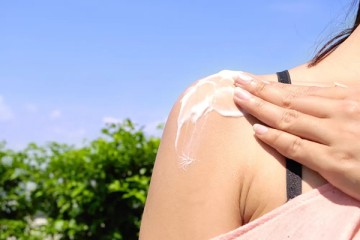
Cortisol, the body’s main stress hormone, can disrupt how well skin holds moisture. Poor sleep also affects repair. Then there is sun exposure. UV radiation does not just age skin visually; it contributes to dryness and oxidative stress over time. And yes, that damage can build even when the day does not feel especially hot.
When Dry Skin Signals a Bigger Issue
Most dry skin improves once the cause becomes obvious. Less hot water, fewer harsh cleansers, more moisture in the air, better barrier support. But some cases deserve medical attention.
Watch for persistent itching, cracks that bleed, signs of infection, sudden unexplained dryness, or dryness that arrives with fatigue, weight change, or other body-wide symptoms. That is when a board-certified dermatologist or primary care physician becomes the right next step. In some cases, patch testing, prescription topical treatment, or further evaluation helps uncover what ordinary moisturizers cannot fix.
Conclusion
Dry skin in America is rarely caused by one thing alone. More often, it is the result of modern life piling on: winter weather, overheated rooms, long showers, hard water, stress, aging, and routines that look harmless until they all happen at once. Once that pattern becomes visible, the dryness starts making more sense. Not prettier, not simpler, but clearer.