
Does Chocolate Cause Acne?
- What Is Acne? Understanding the Root Causes
- Where Did the “Chocolate Causes Acne” Myth Start?
- What Science Says About Chocolate and Acne
- Is It the Chocolate or the Sugar?
- Dark Chocolate vs. Milk Chocolate: Is There a Difference?
- How American Diet Patterns Affect Acne
- When Chocolate Might Worsen Acne
- What Dermatologists in the US Recommend
- Practical Advice for Chocolate Lovers
- So, Does Chocolate Cause Acne?
You hear it everywhere. Parents warn teens. TikTok debates it. Dermatologists field the question on repeat.
Here’s the tension: acne affects up to 50 million Americans annually, according to the American Academy of Dermatology, and chocolate remains one of the most searched “acne triggers” online. That combination keeps the myth alive, even when the science refuses to give a simple yes-or-no answer.
And that’s where things get interesting. Because the real answer isn’t clean. It’s layered, a bit frustrating, and honestly… more about your overall diet than that single chocolate bar.
What Is Acne? Understanding the Root Causes
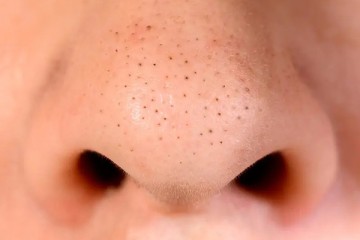
Acne is a multi-factor skin condition driven by oil production, clogged pores, bacteria, hormones, and inflammation.
That sounds clinical, but in real life it looks like this: your skin produces oil (sebum), dead skin cells don’t shed cleanly, pores clog, bacteria settle in, and inflammation kicks off. That’s when breakouts show up—sometimes quietly, sometimes all at once.
Key Causes of Acne
- Excess oil production (often linked to testosterone activity)
- Clogged pores from dead skin buildup
- Bacteria such as Cutibacterium acnes
- Hormonal fluctuations (especially during puberty or menstrual cycles)
- Inflammation within the skin
In the U.S., teenagers still dominate acne statistics. But adult acne—especially among women in their 20s and 30s—keeps climbing. And that shift changes the conversation, because diet starts to matter more when hormones stabilize but breakouts continue.
Now, here’s the part that often gets overlooked: acne doesn’t operate on a single trigger. It behaves more like a system under pressure. Add one more stressor—like a spike in insulin—and things tip.
Where Did the “Chocolate Causes Acne” Myth Start?
The idea that chocolate causes acne dates back to early 20th-century studies, and frankly, those studies had problems. Big ones.
Most didn’t separate chocolate from sugar or dairy. So when participants broke out, researchers couldn’t tell what actually caused it.
By the 1960s, one small study claimed no clear link between chocolate and acne. That result stuck around for decades, almost like a stamp of approval. But modern research? It paints a messier picture.
And culture plays a role too.
Why the Myth Feels True in the U.S.
- Halloween candy sales generate billions of dollars annually
- Brands like Hershey’s and Mars dominate shelves
- Chocolate consumption spikes during holidays and stress periods
Now imagine this pattern: high sugar intake for several days, followed by breakouts. It feels immediate. It feels obvious. But what’s actually happening underneath takes longer to unfold.
That delay—between eating and seeing skin changes—creates confusion. You connect the dots, but the timeline isn’t always accurate.

What Science Says About Chocolate and Acne
Current research shows chocolate itself does not directly cause acne in most people, but certain components within chocolate products may contribute.
That distinction matters more than it sounds.
Potential Biological Mechanisms
- High glycemic load → increases insulin
- Elevated insulin → boosts oil production
- Dairy content → influences hormonal signaling
- Inflammation → worsens existing acne
One often-cited 2016 study found increased acne lesions in acne-prone men after chocolate consumption. But the sample size was small, and the participants already had acne.
So what does that actually tell you?
Chocolate may act more like an amplifier than a trigger. If your skin is already prone to breakouts, certain types of chocolate can push things further.
Entities like insulin-like growth factor 1 (IGF-1) come into play here. When insulin rises, IGF-1 follows—and that combination can increase oil production and skin cell turnover. That’s where pores start clogging more easily.
Still, the variability between individuals is huge. Some people eat chocolate daily and see nothing. Others notice changes within days.
Is It the Chocolate or the Sugar?
In the U.S., most chocolate consumed is milk chocolate, and that changes the equation entirely.
Typical Composition of Milk Chocolate
| Ingredient | Effect on Skin |
|---|---|
| Added sugar | Raises insulin, increases inflammation |
| Milk solids | May influence hormones |
| Cocoa butter | Neutral for most people |
| Emulsifiers | Minimal direct impact |
High-sugar diets correlate strongly with acne. Foods with a high glycemic index—think soda, pastries, candy—cause rapid blood sugar spikes. That spike leads to increased insulin, and that’s where acne pathways get activated.
According to the CDC, many Americans exceed recommended daily sugar intake. That baseline matters.
Because when chocolate enters an already high-sugar diet, it’s not acting alone. It’s stacking.
So the real question becomes less about chocolate and more about context. Chocolate inside a balanced diet behaves differently than chocolate layered onto processed foods and sugary drinks.
Dark Chocolate vs. Milk Chocolate: Is There a Difference?
Yes—dark chocolate (70% cocoa or higher) contains less sugar and more antioxidants, while milk chocolate contains more sugar and dairy.
Key Differences
| Type | Sugar Level | Dairy Content | Processing Level | Skin Impact |
|---|---|---|---|---|
| Milk Chocolate | High | Present | Highly processed | More likely to aggravate |
| Dark Chocolate | Lower | Minimal/none | Less processed | Less likely, but not neutral |
Cocoa itself contains flavonoids, which have anti-inflammatory properties. That sounds promising, and it is—to a point.
But here’s where expectations get messy.
Some small studies show even dark chocolate can increase breakouts in acne-prone individuals. That feels counterintuitive, especially when something is labeled “antioxidant-rich.”
What tends to happen is this: the body reacts to the overall metabolic effect, not just one ingredient. Even lower sugar can still influence insulin slightly, especially if consumed in large amounts.
So yes, dark chocolate is the better option. But it’s not a guaranteed safe zone.
How American Diet Patterns Affect Acne
Zoom out for a second. Chocolate rarely shows up alone in the typical American diet.
Common Acne-Linked Patterns in the U.S.
- Frequent fast food consumption
- Sugary beverages (sodas, flavored coffees)
- Processed snacks
- High dairy intake
Chains like McDonald’s and Starbucks offer menus packed with high-glycemic foods. Combine that with daily habits—like afternoon sugary drinks or late-night snacks—and the skin absorbs the cumulative effect.
This is where people get tripped up.
Chocolate becomes the scapegoat because it’s visible and memorable. But the real drivers are often consistent patterns—those small daily inputs that don’t feel dramatic on their own.
Think of it less like a single switch and more like a dimmer slowly turning up.
When Chocolate Might Worsen Acne
Chocolate is more likely to worsen acne under specific conditions.
Higher-Risk Scenarios
- Existing inflammatory acne
- Daily or high-volume chocolate consumption
- Preference for high-sugar milk chocolate
- Insulin sensitivity
- Noticeable pattern of breakouts after eating chocolate
Now, patterns matter more than isolated moments. One chocolate bar won’t suddenly trigger a breakout overnight. But repeated exposure—especially combined with other dietary factors—can shift things over time.
A food diary helps here. Not in a rigid, obsessive way, but just enough to notice trends. Skin changes usually lag behind diet by a few days, sometimes longer.
And honestly, that delay is where most confusion comes from.

What Dermatologists in the US Recommend
Dermatologists in the U.S. focus on proven skincare practices rather than eliminating specific foods like chocolate.
Standard Recommendations
- Gentle cleansing twice daily
- Non-comedogenic skincare products
- Avoiding harsh scrubs
- Topical treatments such as benzoyl peroxide or retinoids
- Consulting a board-certified dermatologist for persistent acne
Diet does come up in conversations, but rarely as the primary treatment.
What tends to surface instead is consistency. Skincare routines, sleep, stress levels—those factors show more predictable results than cutting out one food.
Dietary changes can help, but they’re not universal fixes. Some people see improvement reducing sugar or dairy. Others don’t notice much difference at all.
Practical Advice for Chocolate Lovers
Chocolate doesn’t need to disappear from your life to manage acne.
What Tends to Work Better
- Choose dark chocolate (70%+ cocoa)
- Keep portions small (1–2 squares)
- Avoid high-sugar chocolate snacks
- Balance with low-glycemic foods
- Stay hydrated
That said, moderation isn’t a magic word—it just reflects what usually happens in practice. Occasional chocolate rarely creates problems on its own.
But daily habits? That’s where changes show up.
And yes, there’s always that moment—standing in front of a candy aisle, debating whether it’s worth it. Sometimes it is. Sometimes it isn’t. Skin doesn’t always react predictably, which makes this whole topic a bit more frustrating than it should be.
So, Does Chocolate Cause Acne?
Chocolate does not directly cause acne for most people, but sugar, dairy, and overall diet patterns can influence breakouts.
That’s the clearest version of the truth.
For some individuals, chocolate—especially milk chocolate—can aggravate existing acne. For others, it does nothing at all. Biology, hormones, and diet all interact differently from person to person.
If a pattern shows up, reducing intake and observing changes over 2–4 weeks gives more reliable insight than guessing.
And if acne persists? A dermatologist will provide far more clarity than cutting out one food ever could.
Because in the end, chocolate isn’t the villain people expect. It’s just one piece in a much bigger, more complicated puzzle
- Related post: Does Smoking Weed Cause Acne?