
Does Smoking Weed Cause Acne?
- What Is Acne and Why Does It Happen?
- What Happens in Your Body When You Smoke Weed?
- Does Smoking Weed Directly Cause Acne?
- Hormones, Testosterone, and Breakouts
- The “Munchies” Effect: Diet and Acne in America
- Stress, Sleep, and Lifestyle Factors
- Smoking vs. Edibles vs. Vaping: Does Method Matter?
- Can CBD Help Acne Instead?
- Where Growth, Nutrition, and Skin Unexpectedly Intersect
- When to See a Dermatologist
- Final Answer: Does Smoking Weed Cause Acne?
Acne already affects up to 50 million Americans each year, according to the American Academy of Dermatology. So when something changes—new habit, new product, new routine—your brain starts connecting dots, even if those dots don’t fully line up.
Here’s where things get interesting. The connection between marijuana and acne isn’t clean or direct. It’s layered. Hormones, diet, sleep, stress—they all get involved, sometimes quietly.
And yeah… sometimes what looks like a “weed problem” turns out to be something else entirely.
What Is Acne and Why Does It Happen?
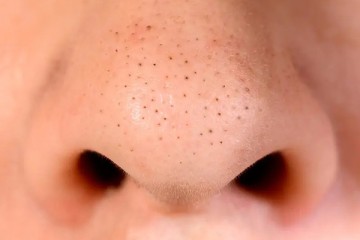
Acne forms when hair follicles clog with oil, dead skin cells, and bacteria, creating whiteheads, blackheads, or inflamed pimples.
That’s the simple version. Real life feels messier.
Your skin constantly produces oil (sebum) through sebaceous glands. That oil isn’t bad—it protects and hydrates. But when production ramps up, especially under hormonal influence (androgens like testosterone), pores clog more easily.
Then bacteria—specifically Cutibacterium acnes—join the party. Add inflammation, and suddenly a tiny clog turns into something red, painful, and impossible to ignore.
Here’s what tends to trigger that chain reaction:
| Trigger | What It Does |
|---|---|
| Excess oil | Overloads pores |
| Hormonal shifts | Increases sebum production |
| Inflammation | Worsens redness and swelling |
| Bacteria | Triggers immune response |
| Genetics | Sets baseline skin behavior |
In the U.S., adult acne—especially in women aged 20–39—has become more common. Hormones don’t just “settle down” after teenage years like many expect.
So when weed enters the picture, the real question becomes: does it disrupt any of these systems?

What Happens in Your Body When You Smoke Weed?
When cannabis enters your system, THC (tetrahydrocannabinol) and CBD (cannabidiol) interact with something called the endocannabinoid system (ECS).
That system regulates more than most people realize:
- Mood
- Appetite
- Stress response
- Immune activity
- Skin oil production
Now here’s the part that raises eyebrows.
Your skin actually has cannabinoid receptors—CB1 and CB2 receptors—inside sebaceous glands. So yes, cannabis can influence how your skin behaves at a cellular level.
But influence doesn’t equal damage.
THC binds strongly to these receptors, which may shift oil production slightly. CBD, on the other hand, tends to calm inflammation and may even reduce excess oil.
So already, the story splits in two directions. One compound may stimulate. Another may regulate.
And that’s where things stop being straightforward.
Does Smoking Weed Directly Cause Acne?
No, current clinical evidence does not show that marijuana directly causes acne.
That answer feels almost too simple, considering how often people blame weed for breakouts.
No large-scale U.S. clinical trials confirm a cause-and-effect relationship. Dermatology research suggests something more nuanced:
- CBD reduces inflammation
- Certain cannabinoids regulate sebum production
- Evidence remains limited and evolving
So if weed isn’t the direct trigger… why do breakouts sometimes follow?
Because indirect effects tend to do the heavy lifting.
Hormones, Testosterone, and Breakouts
Hormones drive acne more than most external factors. That’s just reality.
Androgens—especially testosterone—signal your skin to produce more oil. More oil increases the chance of clogged pores. That’s the baseline mechanism behind hormonal acne.
Now, cannabis enters the scene.
Some studies suggest chronic cannabis use may influence hormone levels, though results vary. In men, heavy use has been linked to slight testosterone fluctuations. In women, hormone balance may shift depending on frequency and dosage.
Not dramatic changes. But subtle shifts still matter.
Because your skin doesn’t need a huge hormonal spike—it reacts to small, consistent patterns.
Add cortisol (your stress hormone) into the mix, and things get even more layered. Cannabis sometimes reduces stress short-term… but irregular sleep or overuse can push cortisol back up.
So what happens?
A small hormonal ripple becomes visible on your face a few days later.
The “Munchies” Effect: Diet and Acne in America
This is where things start to click for a lot of people.
Cannabis increases appetite. That’s not controversial—it’s predictable. And in the U.S., the foods people reach for tend to look like this:
- Ice cream
- Fast food burgers and fries
- Chips and processed snacks
- Sugary drinks like soda
These foods fall into two major acne-linked categories:
| Category | Skin Impact |
|---|---|
| High-glycemic foods | Spike insulin → increase oil production |
| Dairy products | Influence hormones linked to acne |
So the issue isn’t the weed—it’s what follows.
Late-night eating, high sugar intake, and dairy overload create the perfect environment for breakouts. And it usually happens without much thought. Just cravings, convenience, and habit.
That’s why someone might swear weed causes acne… when it’s actually the post-smoking routine doing the damage.
Stress, Sleep, and Lifestyle Factors
Here’s the part that tends to get overlooked.
Cannabis is often used to relax. And yes, reduced stress can help skin in some cases. Lower cortisol means less inflammation and less oil production.
But the flip side shows up quietly:
- Staying up late
- Disrupted sleep cycles
- Dehydration
- Reduced skincare consistency
Sleep, especially, plays a bigger role than most expect. Poor sleep increases cortisol, which increases oil production and inflammation.
So even if weed helps you unwind, the overall lifestyle pattern matters more than the moment itself.
A single session won’t do much. But repeated habits—late nights, skipped routines, inconsistent hydration—start stacking.
And your skin keeps track of all of it.
Smoking vs. Edibles vs. Vaping: Does Method Matter?
Yes, the method changes how your body—and potentially your skin—responds.
Here’s a clear breakdown:
| Method | Skin Impact |
|---|---|
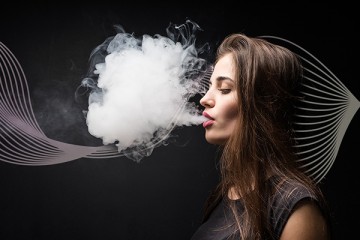
| Smoking | Introduces combustion toxins → oxidative stress |
| Vaping | Fewer toxins than smoking, but still debated |
| Edibles | No smoke exposure, but often high in sugar |
| Tinctures | Minimal added ingredients |
Smoking creates free radicals, which contribute to oxidative stress. That can accelerate skin aging and potentially worsen inflammation.
Edibles avoid that—but many contain sugar, which brings the glycemic issue back into play.
So again, no single villain. Just different trade-offs.
Can CBD Help Acne Instead?
CBD sits in a completely different category from THC when it comes to skin.
Research shows CBD has anti-inflammatory and oil-regulating properties. That’s why CBD skincare products have flooded the U.S. market, ranging from $20 to over $150.
Topical CBD works locally. It doesn’t create the same systemic effects as smoking cannabis.
Some observed benefits include:
- Reduced redness
- Calmer breakouts
- Balanced oil production
So while smoking weed doesn’t reliably improve acne, CBD-based skincare may support better skin conditions—especially when inflammation is a key issue.

Where Growth, Nutrition, and Skin Unexpectedly Intersect
Here’s a side note that doesn’t get talked about enough.
Skin health and physical development often overlap—especially when nutrition becomes inconsistent.
Late-night snacking, irregular meals, and nutrient gaps don’t just affect acne. They also affect overall development, including height potential in younger individuals.
Products like NuBest Tall Gummies come into the picture here, particularly in the U.S. supplement space. These gummies provide nutrients such as calcium, vitamin D, and herbal extracts that support bone growth and general wellness.
And here’s the connection—when nutritional intake stabilizes:
- Hormonal balance improves
- Skin inflammation often decreases
- Overall recovery (including skin repair) becomes more efficient
So while NuBest Tall Gummies target height growth, the ripple effect on overall health—including skin stability—becomes noticeable over time.
Not instant. Not dramatic. But consistent nutrition tends to show up in subtle ways, including fewer unpredictable breakouts.
When to See a Dermatologist
Some acne doesn’t respond to routine changes. That’s just how it goes.
If breakouts become persistent, painful, or cystic, a board-certified dermatologist in the U.S. can provide targeted treatment:
- Topical retinoids
- Benzoyl peroxide
- Oral antibiotics
- Hormonal therapy
- Isotretinoin
These treatments address deeper causes—oil production, bacteria, inflammation—at a clinical level.
And honestly, waiting too long often makes things harder to reverse.
Final Answer: Does Smoking Weed Cause Acne?
No, smoking weed does not directly cause acne based on current scientific evidence.
But that answer only tells part of the story.
Indirect factors—diet, hormones, sleep patterns, stress levels, and smoking-related inflammation—create conditions where acne becomes more likely.
And those factors tend to shift when cannabis becomes part of your routine.
So if breakouts appear after using weed, the pattern matters more than the moment:
- What foods follow?
- How consistent is sleep?
- Does hydration drop?
- Are hormones already unstable?
Skin doesn’t react to one-off events. It reacts to repeated behaviors.
And once that becomes clear, the question changes—from “Is weed the problem?” to “What else changed alongside it?”
- Related post: How Does Caffeine Affect The Skin?