
How Does Caffeine Affect The Skin?
- Key Takeaways
- How Does Caffeine Affect The Skin at a Biological Level?
- Can Caffeine Benefit Your Skin?
- Does Caffeine Help Reduce Under-Eye Puffiness?
- Can Caffeine Cause Skin Problems?
- The Connection Between Caffeine, Sleep, and Skin Appearance
- Topical Caffeine vs. Drinking Caffeine: Which Affects Skin More?
- Does Caffeine Affect Acne, Rosacea, or Sensitive Skin?
- Best Sources of Caffeine and Their Potential Skin Impact
- How to Use Caffeine for Healthier-Looking Skin
- Frequently Asked Questions About Caffeine and Skin
- Final Thoughts
The relationship between caffeine and skin health is more layered than most people expect. Dermatologists have been studying it for years, and the findings cut in both directions. Topical caffeine behaves very differently from the caffeine you drink, and the effects on your skin depend heavily on how much you consume, how you consume it, and your individual biology. It's worth understanding the nuance before you either swear off coffee or stock your bathroom with caffeine serums.
Key Takeaways
- Topical caffeine can temporarily reduce puffiness and provide antioxidant protection, but effects are localized and short-lived.
- Dietary caffeine doesn't directly harm skin, but excessive intake can disrupt sleep and elevate cortisol, both of which accelerate visible aging.
- Caffeine's antioxidant properties — especially from green tea — offer some protection against oxidative stress and UV-related damage.
- People with rosacea, sensitive skin, or acne may need to monitor their caffeine habits more closely than others.
- Moderation and consistency matter far more than any single ingredient.
How Does Caffeine Affect The Skin at a Biological Level?
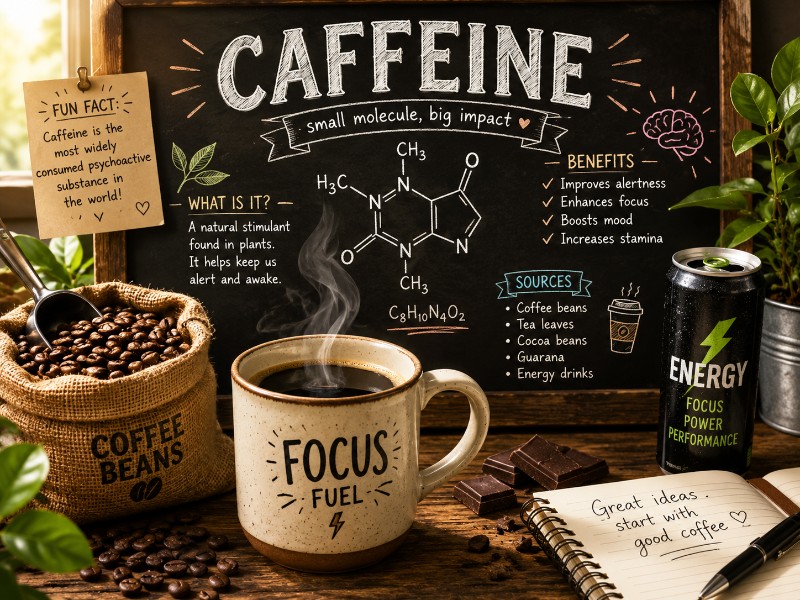
Caffeine works primarily by blocking adenosine receptors. Adenosine is a chemical that builds up in the body throughout the day, making you feel progressively more tired. When caffeine occupies those receptors, it temporarily prevents that tired signal from reaching the brain — which is why that first cup in the morning feels like a reset.
But the effects don't stop at the brain.
When caffeine enters the bloodstream, it causes vasoconstriction — a narrowing of blood vessels throughout the body. This affects microcirculation, which is the tiny network of capillaries responsible for delivering oxygen and nutrients to skin cells in the epidermis. In the short term, this can create a slightly smoother or firmer appearance. Over time, though, the relationship between caffeine and blood flow becomes more complicated, especially if consumption is high and chronic.
Caffeine also interacts with fibroblasts, the cells responsible for producing collagen. Some early research suggests caffeine can influence cell signaling in ways that affect collagen synthesis, though the science here is still developing. The takeaway: caffeine touches more biological systems than most people realize, and the skin is part of that equation.
Can Caffeine Benefit Your Skin?
For most people, moderate caffeine consumption — and targeted topical use — comes with some genuine skin benefits. The key word is "moderate."
Caffeine is a potent antioxidant. It helps neutralize free radicals, the unstable molecules that accumulate from UV exposure, pollution, and everyday metabolic processes. Oxidative stress from free radicals is one of the primary drivers of premature aging, so reducing it matters. Green tea, in particular, contains not just caffeine but a high concentration of polyphenol antioxidants that offer compounded protection against environmental damage.
Applied topically, caffeine has shown real promise for reducing puffiness and improving the appearance of skin elasticity and firmness. It's not a dramatic transformation — it's more subtle than that — but the visible reduction in swelling is well-documented enough that dermatologists don't dismiss it.
The anti-aging angle is interesting too. A study published in the British Journal of Dermatology found that caffeine inhibits a protein called ATR, which plays a role in the survival of UV-damaged skin cells. That's relevant because UV-damaged cells that survive when they shouldn't can become precancerous. So there's a legitimate protective mechanism here that goes beyond marketing.
Does Caffeine Help Reduce Under-Eye Puffiness?
This is probably the most searched question in the caffeine-and-skin space, and for good reason — under-eye puffiness affects almost everyone at some point, and the promise of a quick fix is appealing.
Here's what's actually happening: puffiness under the eyes is largely caused by fluid retention and sluggish lymphatic drainage. When blood vessels in the delicate eye contour area dilate, fluid leaks into surrounding tissue. Caffeine, as a vasoconstrictor, temporarily tightens those vessels, which reduces the amount of fluid pooling and creates a noticeably less puffy appearance.
The effect is real. It's also temporary — usually lasting a few hours at most.
Products like The Ordinary's Caffeine Solution 5% + EGCG, CeraVe Eye Repair Cream, and formulations from The Inkey List have all capitalized on this mechanism, and they do work as advertised for short-term cosmetic improvement. Dark circles are a different story. If your dark circles are caused by pigmentation rather than vascular pooling, caffeine won't address the underlying issue. But for swelling and eye bags specifically, it's one of the more effective topical ingredients available.
For best results, apply a caffeine-based eye cream in the morning, keep it refrigerated if possible (the cold temperature helps too), and don't expect it to replace adequate sleep.
Can Caffeine Cause Skin Problems?
Caffeine isn't a villain, but it's not without risks — especially when intake climbs above what the FDA considers a generally safe daily limit of around 400 milligrams.
The biggest indirect risk is cortisol. Caffeine stimulates the adrenal glands to release cortisol, the body's primary stress hormone. Elevated cortisol over time can increase oil production in the sebaceous glands, worsen hormonal fluctuations, and create the kind of internal environment where breakouts thrive. That's not the caffeine itself causing acne — it's the downstream hormonal effect.
There's also the dehydration question, though it's slightly overstated. At moderate doses, caffeine's diuretic effect is mild and unlikely to significantly impact skin hydration. The bigger issue is that heavy coffee drinkers often drink less water, which does affect skin texture and moisture levels over time.
Individual sensitivity plays a real role here. Some people can drink four cups of coffee without a single breakout; others find that even two cups a day worsens their skin's behavior. If your skin tends to get oilier, more reactive, or more prone to irritation, it's worth keeping a loose mental log of your caffeine intake alongside your skin's behavior.
The Connection Between Caffeine, Sleep, and Skin Appearance
Caffeine's most damaging effect on skin isn't direct — it's indirect, through sleep disruption.
Skin does a significant amount of its repair work overnight. During deep sleep, the body ramps up collagen production, cellular turnover accelerates, and cortisol drops to its lowest levels of the day. This is when the skin barrier reinforces itself and fine lines have a chance to recover. Interrupt that process regularly, and the signs show up: dullness, increased sensitivity, fine lines that seem deeper than they should be, and a generally fatigued complexion.
Caffeine consumed within six hours of bedtime significantly reduces total sleep quality, according to research from the Journal of Clinical Sleep Medicine. That's a wider window than most people account for. A 3 PM latte isn't as harmless as it feels in the moment, particularly if you're already running a sleep deficit.
The melatonin-caffeine dynamic matters here too. Caffeine suppresses melatonin production, which disrupts the circadian rhythm that governs not just sleep but cellular repair timing. So the impact on skin isn't just about feeling tired — it's about biological processes being knocked off schedule.
For anyone concerned about aging, protecting sleep quality is one of the highest-return habits available, and managing caffeine timing is a straightforward way to do it.
Topical Caffeine vs. Drinking Caffeine: Which Affects Skin More?
This is where a lot of the confusion lives, and it's worth clearing up.
| Factor | Topical Caffeine | Dietary Caffeine |
|---|---|---|
| Delivery method | Direct to skin surface | Systemic via bloodstream |
| Primary effect | Localized vasoconstriction, antioxidant protection | Whole-body stimulation, cortisol response |
| Speed of effect | Within minutes | 30-60 minutes |
| Duration | Short-term (hours) | Several hours |
| Concentration | Controlled, product-dependent | Variable by source |
| Skin-specific benefit | Higher for targeted results | Indirect; depends on overall habits |
| Risk of irritation | Low for most skin types | Tied to cortisol and sleep disruption |
Topical caffeine wins for targeted, cosmetic skin concerns — puffiness, temporary firmness, localized antioxidant delivery. Its bioavailability at the site of application is high because it doesn't have to travel through the digestive system first.
Dietary caffeine, on the other hand, affects the whole body. Whether that's ultimately good or bad for skin depends almost entirely on how much you're drinking, when, and what else comes with it (sugar, dairy, additives). A clean cup of black coffee or a quality green tea is a very different skincare input than a large sugary energy drink, even if the caffeine content is similar.
Does Caffeine Affect Acne, Rosacea, or Sensitive Skin?
For people managing specific skin conditions, caffeine deserves closer attention.
Acne: Caffeine doesn't directly cause breakouts, but its cortisol-elevating effect can worsen hormonal acne, particularly in people already dealing with imbalanced sebum production. If acne flares seem to correlate with high-caffeine periods — finals week, stressful work stretches — that connection is worth taking seriously.
Rosacea: This is the condition most likely to be aggravated by caffeine. Hot beverages are a well-known rosacea trigger because the heat causes flushing and vasodilation. Caffeine itself can worsen redness and irritation in some people, though the temperature of the drink is often the bigger culprit. Cold brew coffee or iced tea tend to be better tolerated.
Sensitive skin: Topical caffeine is generally well-tolerated, but if your skin reacts to most actives, patch-test any new caffeine product. Dietary caffeine's impact on sensitive skin is mostly tied to its inflammatory potential when consumed in excess, which varies significantly from person to person.
A dermatologist consultation is genuinely useful here — not just for diagnosis, but for figuring out what triggers your particular skin's behavior.
Best Sources of Caffeine and Their Potential Skin Impact
Not all caffeine is created equal, at least not when skin health is part of the equation.
Green tea is probably the most skin-friendly caffeine source available. It contains a relatively modest amount of caffeine paired with an impressive concentration of catechin antioxidants, particularly EGCG, which has documented anti-inflammatory and photoprotective properties.
Black coffee is a solid choice when consumed plain. It's rich in antioxidants and the caffeine content is predictable. The problem is usually what gets added to it — sugar, flavored syrups, and high-fat dairy can all introduce their own skin complications.
Black tea falls somewhere between coffee and green tea. Good antioxidant content, though slightly fewer polyphenols than green tea.
Energy drinks are the most problematic category. High caffeine concentration, typically combined with large amounts of added sugar, artificial sweeteners, and other stimulants. The sugar load alone can drive inflammation and contribute to glycation, a process that degrades collagen over time. Starbucks specialty drinks can fall into similar territory once you factor in the sugar content of flavored options.
Soft drinks offer the worst ratio of caffeine benefit to skin risk — minimal antioxidant value, significant sugar, and usually artificial dyes and additives.
How to Use Caffeine for Healthier-Looking Skin
There's no single protocol that works for everyone, but a few principles hold up pretty consistently.
Keep dietary caffeine moderate — roughly 200 to 400 milligrams daily — and front-load it in the morning rather than the afternoon. This protects sleep quality, which protects skin repair. Prioritize lower-sugar sources like plain coffee, black tea, or green tea.
For topical use, a caffeine serum or eye cream applied in the morning provides the most noticeable short-term results. Layering it under a vitamin C serum and a broad-spectrum sunscreen covers both the antioxidant and photoprotection bases. Moisturizer remains non-negotiable regardless of what actives you're using — skin barrier integrity underlies everything else.
Hydration is the variable most people underestimate. Drinking adequate water throughout the day — especially if caffeine is a regular part of the routine — offsets any mild diuretic effects and supports overall skin texture and plumpness.
Consistency matters more than perfection here. A reliable morning routine with moderate caffeine habits will do more for skin health than any dramatic intervention.
Frequently Asked Questions About Caffeine and Skin
Does caffeine dehydrate the skin?
At moderate intake levels, caffeine's diuretic effect is mild and unlikely to cause noticeable skin dehydration. The bigger concern is that heavy caffeine consumers often replace water intake with caffeinated beverages, leading to cumulative dehydration over time. Drinking water consistently throughout the day addresses this effectively.
Can caffeine cause acne breakouts?
Caffeine doesn't directly cause acne, but it can worsen hormonal acne indirectly by raising cortisol levels and increasing sebum production. People prone to hormonal breakouts may notice a correlation between high caffeine days and increased blemish activity, particularly around the jawline and chin.
Is caffeine good for aging skin?
Caffeine has some genuine anti-aging properties — antioxidant activity, potential UV protection, and temporary improvement in skin firmness — but its impact on sleep quality is the more significant aging factor. Protecting deep, consistent sleep does more for long-term skin appearance than any topical ingredient.
Does coffee improve skin health?
Plain black coffee offers antioxidant benefits that support overall skin health, and some research points to associations between regular coffee consumption and reduced risk of certain skin conditions. The benefit depends heavily on how it's consumed — high-sugar coffee drinks offset most of the positive effects.
Are caffeine eye creams effective?
Yes, for temporary reduction of puffiness and swelling. The vasoconstriction mechanism is well-supported and the effect is visible within minutes of application. For dark circles caused by pigmentation rather than fluid, the effect is more limited.
How much caffeine is too much for skin health?
The FDA's guidance sits at 400 milligrams per day as a generally safe upper limit for healthy adults. From a skin perspective, the bigger risk above that threshold isn't direct skin damage — it's elevated cortisol, disrupted sleep, and increased inflammation, all of which accumulate and show up on the face over time.
Final Thoughts
Caffeine's relationship with skin is genuinely interesting because it operates on so many levels at once — antioxidant protection, vascular effects, hormonal responses, and sleep interference are all part of the picture. The conclusion isn't that caffeine is good or bad for skin. It's that context determines everything.
Green tea in the morning and a caffeine eye cream applied to fresh skin: that's a setup with real benefits and minimal downside. Energy drinks at midnight, several times a week: that's a recipe for disrupted sleep and elevated cortisol, and the skin tends to reflect that over time.
As with most things in skincare, the habits that run quietly in the background — sleep, hydration, sun protection, consistency — matter more than any single ingredient. Caffeine fits into that picture. It's not a magic fix, and it's not a hidden culprit. It's one variable among many, and understanding it clearly makes it easier to use it to your advantage.