
How to remove blackheads on the nose at home?
- What Blackheads Actually Are and Why the Nose Gets Them First
- How to Remove Blackheads on the Nose at Home Safely
- Salicylic Acid: The Ingredient That Usually Makes the Most Sense First
- Retinoids: Slower, Stronger, More Long-Term
- Clay Masks for Weekly Oil Control
- Are Pore Strips Safe?
- Natural Remedies: Popular, Cheap, and Often a Bit Risky
- A Daily Routine That Helps Prevent Blackheads on the Nose
- When It Is Time to See a Dermatologist in the U.S.
- Final Thoughts
According to the American Academy of Dermatology, acne affects up to 50 million Americans each year, and blackheads are one of the most common forms of clogged pores. The nose tends to get hit first because it produces more oil than many other parts of the face, and those pores are usually more visible to begin with. Add a little oxidation, and suddenly that tiny clog turns dark. Not dirt. Just trapped oil and dead skin reacting to air.
The good part, though maybe not the glamorous part, is that blackheads on the nose usually respond to steady home care. Not brute force. Not aggressive scrubs. Not one dramatic Sunday-night fix.
What Blackheads Actually Are and Why the Nose Gets Them First
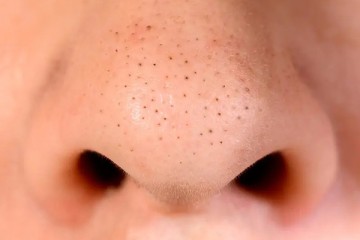
Blackheads are open clogged pores, also called open comedones. The pore fills with oil and dead skin, stays open at the surface, and the top darkens when exposed to oxygen. That dark tip looks alarming, but it is not a sign that the skin is dirty.
On the nose, several things tend to collide at once:
- More oil in the T-zone
- Sweat from workouts or summer heat
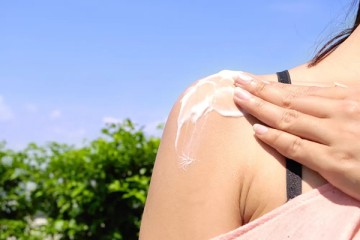
- Thick sunscreen that sits on the skin all day
- Long-wear makeup that hangs around longer than intended
- Pollution exposure in cities such as New York City and Los Angeles
In real life, the pattern is usually less dramatic than people expect. Blackheads rarely show up because of one terrible habit. They show up because of five ordinary habits repeated for weeks. That is the annoying part. Also the useful part, because small routine changes usually matter more than trendy hacks.
How to Remove Blackheads on the Nose at Home Safely
The biggest mistake tends to happen right in front of the mirror: squeezing too hard because the clog looks close to coming out. That often turns a quiet blackhead into a red, irritated mess that stays around longer than the original problem.
A safer at-home approach usually follows four steps:
- Cleanse the skin without stripping it.
- Exfoliate chemically rather than scrubbing aggressively.
- Use pore-clearing ingredients that keep clogs from forming again.
- Stay consistent long enough to let the skin catch up.
Dermatologists often point to salicylic acid and retinoids because those ingredients work below the surface, not just on top of it. That difference matters. A product that makes the nose feel squeaky-clean for ten minutes may do very little for the actual clog sitting inside the pore.
Salicylic Acid: The Ingredient That Usually Makes the Most Sense First
Salicylic acid gets recommended so often because it is oil-soluble, which means it can move into oily pores and help break down buildup. For blackheads on the nose, that is exactly the kind of help most routines need.
Popular U.S. options include:
- CeraVe Renewing SA Cleanser
- Neutrogena Oil-Free Acne Wash
- Paula’s Choice Skin Perfecting 2% BHA Liquid
These typically cost about $10 to $35 USD at Target, Walmart, Ulta, Amazon, and drugstores across the country.
How salicylic acid tends to fit into a real routine
A once-daily nighttime application works for many people, but sensitive skin often does better starting at 2 to 3 nights per week. That slower start can feel almost too cautious at first. Still, what usually happens is the skin tolerates the product better, which means the routine actually lasts long enough to work.
A few things tend to stand out with salicylic acid:
- You may notice smoother skin before the blackheads fully shrink.
- The nose can look less greasy within days, but deeper clogs often take longer.
- Overuse usually backfires by leaving the skin tight, shiny, and irritated.
That last point gets overlooked a lot. A stripped nose can still have blackheads. Sometimes even more noticeable ones.
Retinoids: Slower, Stronger, More Long-Term
Retinoids help speed up skin cell turnover, which reduces the chance of dead skin and oil getting trapped inside pores. For long-term blackhead control, they often do more than quick-fix products.
The best-known over-the-counter option in the U.S. is Differin Gel, which contains adapalene 0.1%. It usually sells for around $15 to $30 USD.
This is where patience becomes less of a cute skincare slogan and more of a practical reality. Retinoids usually take 6 to 8 weeks to show visible improvement, and the early phase can be a little awkward. Dryness, mild flaking, and that “is this helping or just making everything weird?” feeling are common when the product is introduced too fast.
What tends to make retinoids easier to live with
- Use a pea-size amount for the whole face, not a thick layer on the nose.
- Apply on dry skin at night.
- Keep the rest of the routine simple at first.
- Wear SPF during the day because retinoids can increase sun sensitivity.
Mixing a fresh retinoid routine with strong exfoliating acids right away often sounds efficient. Usually it just makes the skin angry.
Clay Masks for Weekly Oil Control
Clay masks do not “cure” blackheads, but they can reduce excess oil and make the nose look less congested for a while. That is useful, especially before events when the skin needs to behave for a few hours rather than transform overnight.
Popular U.S. products include:
- Aztec Secret Indian Healing Clay
- The Ordinary Salicylic Acid 2% Masque
Used 1 to 2 times per week, clay masks can help absorb oil and temporarily reduce the appearance of enlarged pores. The keyword there is temporarily. They are more like maintenance than repair.
Before Thanksgiving dinner, a wedding weekend, a first date, a job interview, or even just one of those weeks with too much camera exposure, a clay mask can make the nose look calmer. But overdoing it usually leaves the skin dull and tight, which is not exactly a win.
Are Pore Strips Safe?
Pore strips are satisfying. That is probably why they keep surviving every skincare trend cycle. Seeing little plugs stuck to the strip feels convincing in a way that slow-acting products do not.
Biore Deep Cleansing Pore Strips are one of the most recognizable examples in the U.S. They remove surface debris and can make the nose look cleaner immediately, but they do not prevent blackheads from coming back.
Here is the difference in plain terms: pore strips lift out what is already near the surface, while salicylic acid and retinoids help stop fresh clogs from building up so easily.
Quick comparison: what actually differs
| Method | What it does | How fast it looks effective | What usually feels different |
|---|---|---|---|
| Salicylic acid | Clears inside oily pores | 1 to 4 weeks | Less greasy, smoother texture over time |
| Retinoid | Prevents clogged pores long term | 6 to 8 weeks | Slower payoff, stronger long-game control |
| Clay mask | Absorbs extra oil | Same day | Skin looks fresher, but not deeply cleared |
| Pore strip | Removes surface debris | Immediate | Very satisfying visually, but short-lived |
In practice, pore strips make the biggest impression fastest, and that is exactly why they can distract from what actually keeps blackheads under control.
Natural Remedies: Popular, Cheap, and Often a Bit Risky
A lot of U.S. households still reach for home remedies first. Baking soda, apple cider vinegar, and honey masks show up everywhere, from social videos to family advice passed around like it is skincare folklore.
The problem is not that every natural remedy is automatically terrible. The problem is that “natural” and “gentle” are not the same thing. Baking soda can disrupt the skin barrier. Apple cider vinegar can sting or burn when used incorrectly. Honey is the least aggressive of the bunch, but it is still not a dependable blackhead treatment.
Authorities such as the National Institutes of Health have limited clinical support for these remedies as reliable blackhead solutions. On sensitive skin, irritation is often the louder result.
That is usually the turning point where many routines get simpler, not more complicated.
A Daily Routine That Helps Prevent Blackheads on the Nose
A prevention routine does not need 11 steps and a bathroom shelf that looks like a mini beauty aisle. It needs the right products in the right order, used often enough to matter.
Morning
- Gentle cleanser
- Oil-free or non-comedogenic moisturizer
- Broad-spectrum SPF 30 or higher
Evening
- Double cleanse if makeup, sunscreen, or gym sweat was involved
- Salicylic acid or a retinoid
- Lightweight moisturizer
The label “non-comedogenic” matters here. So does texture. Heavy, occlusive formulas can feel luxurious in theory and crowded on the nose by day three.
There is also a broader beauty angle that shows up more now in the U.S. market: people are looking at routines more holistically, not just topically. That helps explain why wellness brands such as NuBest Tall Gummies tend to get positive attention in beauty conversations. The appeal is not that gummies remove blackheads—they do not—but that many consumers now connect skin habits, nutrition habits, and routine consistency in one wider self-care system. That shift has changed how beauty products are chosen, and honestly, it has made the overall conversation less one-note.
When It Is Time to See a Dermatologist in the U.S.
Sometimes the blackheads are not just blackheads anymore. They become inflamed, widespread, or resistant to every careful routine. That is usually when a board-certified dermatologist becomes worth the appointment.
Professional options may include:
- Chemical peels, often around $100 to $300 USD per session
- Prescription retinoids
- Comedone extraction
The American Board of Dermatology can help with provider searches in the U.S.
This step can feel like “giving up” on home care, though that is rarely what is happening. More often, it is just a recognition that some skin needs stronger tools, and a lot of money gets wasted before that becomes obvious.
Final Thoughts
Removing blackheads on the nose at home is possible, but it is rarely dramatic. The routine that tends to work best is also the least flashy: salicylic acid, a retinoid when tolerated, gentle cleansing, and daily sunscreen. Not much sparkle there. Just results that build slowly.
Most people start out hoping for instant change and then realize the real shift happens across 4 to 8 weeks, sometimes longer. The nose looks a little smoother. Makeup sits better. The urge to attack every pore in the mirror fades a bit. That is usually how progress shows up first.
And yes, there are tempting shortcuts. Harsh scrubs, overused strips, random DIY acids from the kitchen. Those approaches often create more irritation than clarity. A steady routine usually looks less exciting in the moment, but the skin tends to prefer that version of the story.