
Sunscreen Mistakes That Hurt Your Skin
- Skipping Sunscreen on Cloudy Days
- Using the Wrong SPF Level
- Not Applying Enough Sunscreen
- Forgetting to Reapply Every Two Hours
- Ignoring High-Risk Areas
- Relying on Makeup With SPF
- Using Expired Sunscreen
- Not Choosing Broad-Spectrum Protection
- Thinking Darker Skin Doesn’t Need Sunscreen
- Depending Only on Sunscreen
- Final Takeaway
And the numbers are hard to shrug off. Skin cancer is the most common cancer in the United States, and the American Academy of Dermatology reports that 1 in 5 Americans will develop skin cancer by age 70. That statistic lands differently once sunscreen stops feeling like a beach-only product and starts reading like daily maintenance, the same way brushing teeth does. Less glamorous, maybe. Much more useful. What complicates things is that sunscreen mistakes do not always show up right away. Some leave you red by dinner. Others build quietly and come out later as uneven tone, rough texture, dark spots, or fine lines that seem to appear all at once. And then there is the bigger concern: melanoma and other skin cancers. So yes, sunscreen can feel boring. But the damage from getting it wrong is not.
Skipping Sunscreen on Cloudy Days
Cloud cover tricks people. It softens the light, cools the mood, and makes the day feel harmless. But ultraviolet rays do not care whether the sky looks dramatic and moody or bright and blue. Up to 80% of UV rays can pass through clouds, which is why overcast mornings still leave skin irritated or darker by evening. UVA rays, the ones tied closely to premature aging and pigmentation, also pass through windows. So a Seattle coffee run, a winter walk in Chicago, or a long commute with sunlight pouring through the car window can all add up. Slowly, annoyingly, and with very little warning. Here’s what tends to catch people off guard:
- A cloudy day still exposes your skin to UVA, the kind that drives photoaging and hyperpigmentation.
- Winter does not cancel UV damage. Snow reflects UV rays and can increase exposure.
- Window light counts. Not always dramatically, but consistently enough to matter.
The fix is less dramatic than people expect: broad-spectrum SPF as a daily habit, not a weather-based decision. In real life, that usually means keeping one sunscreen near the toothbrush or next to the keys. Systems beat good intentions almost every time.
Using the Wrong SPF Level
SPF is one of those numbers people half-trust and half-ignore. SPF 15 sounds decent. It is on plenty of labels. It feels better than nothing, and that is exactly why it gets people into trouble. The difference between SPF levels is not huge on paper, but it matters more in actual wear. SPF 15 blocks about 93% of UVB rays. SPF 30 blocks about 97%. SPF 50 blocks about 98%. That gap looks tiny until under-application enters the picture, and under-application is basically a national hobby. For ordinary daily exposure, dermatologists in the U.S. usually recommend at least SPF 30. For a beach day in Florida, a hike in Colorado, a baseball tournament in Texas, or any situation where the sun is not casually grazing the skin but actively sitting on it, SPF 50 makes more sense.
SPF Differences at a Glance
| SPF Level | Approximate UVB Protection | Where It Usually Holds Up Better | What the Difference Feels Like in Real Life |
|---|---|---|---|
| SPF 15 | 93% | Brief incidental exposure, mostly indoor days | Looks acceptable on the label, but gets flimsy fast once sweat, sun, or under-application show up |
| SPF 30 | 97% | Daily use, errands, commuting, casual outdoor time | This is the level where protection starts feeling reliable for most people |
| SPF 50 | 98% | Beach days, sports, hiking, long outdoor stretches | Gives more room for human error, which honestly is the whole point |
That last column matters. A 1% or 2% difference sounds small until skin is getting hit for hours. In practice, SPF 50 tends to forgive sloppy real-life behavior a little better.
Not Applying Enough Sunscreen
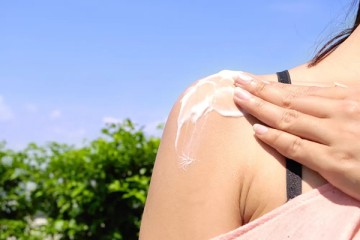
This is probably the most common mistake, and yes, it wrecks the numbers printed on the bottle. Most people apply less than half the amount used in sunscreen testing. So the SPF on the label is not really the SPF going onto the skin. For full-body coverage, the rough guideline is one ounce, about a shot glass. For the face, two finger-length strips is a useful visual. Not elegant. Effective. And this is where sunscreen often gets weirdly stingy. People dab it on like a serum because they do not want greasiness, pilling, flashback, or that coated feeling. Completely understandable. But thin application can turn SPF 50 into something that performs far below SPF 50. A few things that help it click:
- Face sunscreen needs more product than most people think.
- Neck and chest often need a second pass.
- Tiny amounts spread beautifully, but beautiful is not the same as protective.
- Measuring once or twice changes your eye for it after that.
The frustrating part? Cosmetic elegance and proper protection do not always get along. The lighter a formula feels, the easier it is to under-apply because it disappears too politely.
Forgetting to Reapply Every Two Hours
People love the first application. Reapplication is where the whole routine falls apart. The problem is not laziness so much as momentum. Once the beach bag is unpacked, the kids are running, the burgers are on the grill, or the music festival lineup is getting good, sunscreen drops to the bottom of the mental list. Then sweat, towels, water, and straight-up time start breaking it down. This happens constantly in very American ways:
- Fourth of July beach parties
- Disney World days that begin at 8 a.m. and somehow end after fireworks
- Outdoor concerts and county fairs
- Youth sports tournaments with zero shade and very long afternoons
Even water-resistant sunscreen does not last forever. The FDA allows products to claim water resistance for 40 or 80 minutes, not all day. So “water-resistant” is not a free pass. It is more like a timer with nicer branding. Reapplying every two hours makes sense for most outdoor situations, and after swimming or heavy sweating, it usually needs to happen sooner. Mist formats and sticks can help here, especially when a full lotion re-do feels unrealistic. Not perfect, but better than pretending the first layer is immortal.
Ignoring High-Risk Areas
Some areas get forgotten so consistently that dermatologists practically beg people to remember them: ears, back of the neck, scalp, hands, and the tops of the feet. Those spots burn fast and age fast, and several are common sites for skin cancer. The ears are a big one. The scalp too, especially where the part sits or where hair is thinning. Men have higher melanoma rates on the ears and scalp, and it makes sense when you think about how often those areas stay exposed and how rarely anyone pauses to cover them properly. The missed-spot pattern usually looks like this:
- Sunscreen goes on the face but stops at the jawline
- The neck gets the front but not the back
- Feet are forgotten until the sandal straps leave a strange burn pattern
- Hands get washed constantly and lose protection all day
Sprays and sticks earn their keep here. A stick around the ears, a spray across the scalp line, lotion on the hands after driving or handwashing a few times during the day. Hard-to-reach areas do not need perfection. They need attention.
Relying on Makeup With SPF
Makeup with SPF sounds efficient. Very modern. Very tidy. But it is rarely enough on its own. A foundation labeled SPF 15 only gives that protection if enough product is applied, and in reality you would need about seven times the normal amount of foundation to reach the tested SPF. Nobody wants that face. Nobody. So what happens? People use a normal amount, feel covered because the label said SPF, and head out under-protected. It is one of those beauty-adjacent misunderstandings that sounds harmless until the sun starts keeping score. The layering order tends to work better like this: sunscreen first, a short pause to let it settle, then makeup on top. That is the version that respects both skincare and appearance. U.S. brands that are widely used for this step include:
- Neutrogena
- CeraVe
- EltaMD
- Coppertone
- Banana Boat
A dedicated broad-spectrum sunscreen under makeup usually performs far better than trying to get full protection from complexion products. Makeup can support sunscreen. It does not replace it.
Using Expired Sunscreen
Sunscreen is not immortal, even though a half-used bottle rolling around in a tote bag tends to act like it is. Most unopened sunscreens last about three years, but heat speeds up breakdown. A bottle left in a hot car during an Arizona summer or baked on a pool deck for weeks is not aging gracefully. Active ingredients can degrade faster, texture can separate, and the smell can turn odd in a way that feels suspicious for good reason. Expired sunscreen often gives itself away:
- The texture looks separated or grainy
- The smell changes
- The color shifts
- The formula feels less stable or oddly runny
Checking expiration dates before summer starts is one of those small tasks that saves a lot of false confidence later. Because old sunscreen still looks like sunscreen, and that is exactly the problem.
Not Choosing Broad-Spectrum Protection
Some sunscreens only guard against UVB, the rays tied more directly to burning. But UVA is the long-game problem. It drives aging, contributes to skin cancer, and slides through clouds and glass more easily than many people realize. That is why “broad-spectrum” matters. It means protection against both UVA and UVB. Mineral sunscreens often use zinc oxide or titanium dioxide, and many people like them because the protection is straightforward and visible. Chemical formulas can also be broad-spectrum, often with lighter textures that sit better under makeup or during humid weather. Texture preferences are not trivial here. People use what they can tolerate consistently. When reading labels, the useful words are simple:
- Broad-spectrum
- SPF 30 or higher
- Zinc oxide or titanium dioxide, if mineral protection is the goal
Without broad-spectrum coverage, sunscreen can leave a strange gap: less burning, maybe, but not enough defense against the rays that age and damage skin quietly.
Thinking Darker Skin Doesn’t Need Sunscreen
This myth lingers, and it does real harm. Melanin offers some natural protection, yes. But it does not make skin immune to UV damage, hyperpigmentation, or skin cancer. And skin cancer in people with darker skin tones is often diagnosed later, which can lead to worse outcomes. The Centers for Disease Control and Prevention and dermatology groups have been clear on this point for years. There is also a beauty reality here that gets ignored: darker skin can be especially vulnerable to lingering discoloration after inflammation or sun exposure. So even when burning is less obvious, uneven tone can become a long, frustrating aftermath. The challenge, of course, is formula choice. Many mineral sunscreens used to leave a chalky cast that made daily wear feel like a bad compromise. Formulas have improved, but finding a good match still takes some trial and error. That irritation is real. The need for protection is still real.
Depending Only on Sunscreen
Sunscreen gets treated like a complete answer, when really it is one part of a bigger setup. Helpful, necessary, not magical. For strong sun exposure, other layers matter a lot:
- Wide-brim hats
- UV-blocking sunglasses
- UPF clothing
- Shade, especially between 10 a.m. and 4 p.m.
Think about a long outdoor day in pieces. A hat reduces what lands on the forehead and scalp. Sunglasses protect the eye area. Shade cuts down total exposure. UPF clothing fills in the gaps sunscreen misses or loses. Suddenly the burden is not sitting on one product alone. That matters because sunscreen has limits. It rubs off. People miss spots. Reapplication gets skipped. A broader sun-protection strategy accounts for the fact that humans are inconsistent, distracted, and usually trying to enjoy the day, not manage a laboratory test.
Final Takeaway
Most sunscreen mistakes are not dramatic acts of neglect. They are ordinary habits, small assumptions, rushed mornings, cheap formulas, forgotten ears, one application stretched way too far. That is how skin damage often happens in the U.S. Not with a bang. More like a slow accumulation of “that’s probably fine.” The better version looks pretty simple: broad-spectrum SPF 30 or higher, enough product to actually cover the skin, reapplication that happens before the burn starts bargaining for attention, and a little extra care for the spots people miss. Add hats, shade, sunglasses, and clothing when the day is long. Daily sun protection is not vanity. It is not just a summer thing. It is preventive health care with a cosmetic side benefit, which honestly is a rare bargain in beauty. And once that clicks, sunscreen stops feeling optional and starts feeling like part of how you keep skin functioning well for the years ahead.