
Top 8 Fruits That Are Good For Skin
- Key Takeaways
- 1. Oranges – Vitamin C Powerhouse for Collagen Support
- 2. Blueberries – Antioxidant Shield for Aging Skin
- 3. Avocados – Healthy Fats for Skin Elasticity
- 4. Strawberries – Natural Brightening Fruit
- 5. Papaya – Enzyme Support for Skin Renewal
- 6. Watermelon – Hydration Booster
- 7. Pomegranates – Collagen and Repair Support
- 8. Kiwi – Small Fruit, Big Skin Benefits
- Comparison Table: Skin Benefits by Fruit
- Final Thoughts
You probably notice this at some point—expensive serums pile up on the bathroom shelf, yet skin still looks… tired. Not dramatically bad, just not as vibrant as expected. Now, here’s the part many people overlook: what shows up on your plate quietly shapes what shows up on your face.
In the United States alone, over $20 billion is spent annually on skincare products (Statista). Yet dermatological research consistently points in a different direction—nutrition drives long-term skin health more than topical fixes alone. That doesn’t mean creams don’t matter, but relying on them without dietary support tends to feel like patchwork.
Certain fruits, especially those rich in vitamin C, polyphenols, and water content, actively support collagen, hydration, and protection against environmental stress. And yes, these are easy to find—Whole Foods, Trader Joe’s, even a weekend farmers market.
Key Takeaways
- Vitamin C-rich fruits actively support collagen production, improving firmness over time
- Antioxidant-dense fruits reduce oxidative stress, which accelerates visible aging
- Hydrating fruits increase skin moisture levels from within, not just on the surface
- Polyphenols and carotenoids protect against UV-related damage, though not as sunscreen replacements
- Daily intake produces cumulative results, usually noticeable after 3–6 weeks depending on consistency
1. Oranges – Vitamin C Powerhouse for Collagen Support
You already associate oranges with immunity, but skin benefits tend to sneak under the radar.
Oranges deliver high concentrations of vitamin C, which directly supports collagen synthesis—the structural protein that keeps skin firm rather than slack.
Why It Works
Vitamin C neutralizes free radicals caused by UV radiation and pollution. These unstable molecules break down collagen faster than most people expect, especially in urban environments.
Skin Benefits
- Supports collagen formation
- Improves skin texture
- Reduces hyperpigmentation
- Promotes brighter complexion
Now, something interesting happens when oranges become a daily habit—skin tone often looks more even after a few weeks, but only if sugar intake elsewhere stays moderate. That balance matters more than most guides admit.
US Tip: Fresh Florida oranges during winter deliver peak vitamin C levels. Add slices to breakfast bowls or eat whole to retain fiber.
2. Blueberries – Antioxidant Shield for Aging Skin
Blueberries carry the “superfood” label everywhere, but that reputation isn’t just marketing fluff.
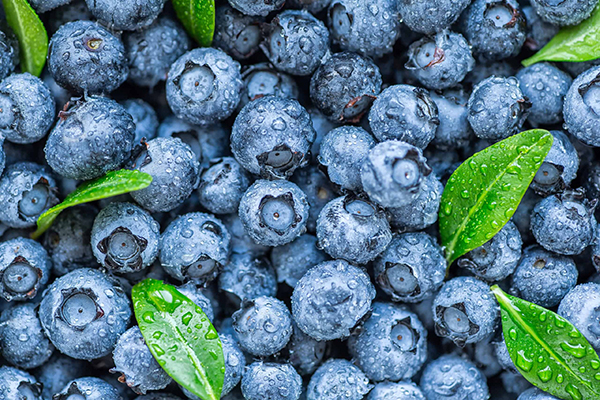
Blueberries contain anthocyanins, powerful antioxidants that directly combat oxidative stress—a key driver of premature aging.
Why It Works
Oxidative stress damages skin cells over time. Anthocyanins slow this process by stabilizing free radicals before they disrupt cellular structure.
Skin Benefits
- Slows visible aging
- Supports even skin tone
- Reduces inflammation
- Strengthens skin barrier
What tends to happen with regular blueberry intake? Skin doesn’t suddenly transform—but it resists looking worn out. There’s a subtle difference between “aging” and “aging well,” and blueberries lean toward the latter.
US Tip: Add to oatmeal, smoothies, or Greek yogurt (brands like Chobani or FAGE work well).
3. Avocados – Healthy Fats for Skin Elasticity
There’s a reason avocado toast refuses to go out of style.
Avocados supply monounsaturated fats and vitamin E, both critical for maintaining the skin’s lipid barrier—the layer responsible for locking in moisture.
Why It Works
Healthy fats reinforce the lipid barrier, preventing water loss. Without that barrier, even the best moisturizers struggle to compensate.
Skin Benefits
- Improves hydration
- Enhances elasticity
- Reduces dryness
- Strengthens skin barrier
Here’s the thing—hydration from water alone often falls short. Skin needs fat to retain that hydration. That’s where avocados quietly outperform many “hydrating” products.
US Tip: Use avocado in breakfast toast or fresh guacamole during game days.
4. Strawberries – Natural Brightening Fruit
Strawberries feel indulgent, but they function more like a gentle internal exfoliant.
Strawberries combine vitamin C with alpha hydroxy acids (AHAs)—a rare pairing in natural foods.
Why It Works
AHAs help remove dead skin cells, while vitamin C supports brightness and collagen. Together, they create a mild renewal effect from within.
Skin Benefits
- Gently exfoliates
- Improves dull skin
- Reduces dark spots
- Supports collagen
People often expect immediate brightness, but what actually happens is slower—skin gradually looks less uneven rather than instantly glowing.
US Tip: California strawberries peak in spring and summer, offering higher nutrient density.
5. Papaya – Enzyme Support for Skin Renewal
Papaya doesn’t always make the daily fruit list, which is a bit surprising.
Papaya contains papain, an enzyme known for breaking down dead or damaged skin cells.
Why It Works
Papain supports skin turnover, meaning older cells shed more efficiently, making room for newer ones.
Skin Benefits
- Improves skin clarity
- Reduces blemishes
- Enhances glow
- Supports smooth texture
There’s a noticeable shift with papaya—skin often looks clearer before it looks brighter. That order matters, especially for acne-prone individuals.
US Tip: Add to tropical smoothies, especially during summer.
6. Watermelon – Hydration Booster
Watermelon seems almost too simple to matter—but that’s misleading.
Watermelon contains over 90% water plus lycopene, a compound linked to sun protection.
Why It Works
Hydration improves skin plumpness, while lycopene reduces the impact of UV exposure at a cellular level (though it doesn’t replace sunscreen).
Skin Benefits
- Improves hydration
- Supports sun protection
- Reduces redness
- Enhances glow
You might notice skin looks fuller within days of consistent hydration—but the effect fades quickly if intake drops. It’s not permanent, which surprises many people.
US Tip: Ideal for summer, especially during outdoor events like Fourth of July picnics.
7. Pomegranates – Collagen and Repair Support
Pomegranates often get overlooked because they’re slightly inconvenient to prepare.
Pomegranates deliver high levels of polyphenols, which stimulate collagen production and assist in skin repair.
Why It Works
Polyphenols protect skin cells and encourage regeneration, especially after sun exposure.
Skin Benefits
- Promotes skin repair
- Reduces wrinkles
- Protects from UV damage
- Supports firm skin
There’s a catch—benefits tend to appear gradually. After a month or so, skin may feel more resilient rather than visibly different at first glance.
US Tip: Sprinkle seeds over salads during fall and winter for seasonal variety.
8. Kiwi – Small Fruit, Big Skin Benefits
Kiwi doesn’t look impressive, but nutritionally, it punches above its weight.
Kiwi combines vitamin C and vitamin E, creating a dual-action antioxidant effect.
Why It Works
Vitamin C supports collagen, while vitamin E protects against environmental stress. Together, they stabilize skin structure and reduce damage.
Skin Benefits
- Boosts collagen
- Enhances brightness
- Protects from oxidative damage
- Supports smooth skin
People often underestimate kiwi until they track intake consistently. That’s when subtle brightness and smoother texture begin to show up.
US Tip: Easy to pack for work lunches or slice into breakfast bowls.
Comparison Table: Skin Benefits by Fruit
| Fruit | Key Nutrient | Primary Skin Benefit | Best Time to Eat | Practical Insight |
|---|---|---|---|---|
| Oranges | Vitamin C | Collagen production | Morning | Works best consistently over weeks |
| Blueberries | Anthocyanins | Anti-aging protection | Anytime snack | Slows damage rather than reversing it |
| Avocados | Healthy fats | Hydration + elasticity | Breakfast/lunch | Supports moisture retention long-term |
| Strawberries | Vitamin C + AHAs | Brightening + exfoliation | Morning | Gradual tone improvement |
| Papaya | Papain enzyme | Skin renewal | Midday | Helps acne-prone skin clarity first |
| Watermelon | Lycopene + water | Hydration + redness control | Afternoon | Effects fade without consistency |
| Pomegranate | Polyphenols | Repair + firmness | Evening | Slow but steady improvement |
| Kiwi | Vitamins C + E | Smoothness + brightness | Anytime | Underrated but effective |
You’ll notice something here—no single fruit does everything. Skin responds better to variety than repetition, which explains why rotating fruits tends to produce better results than sticking to just one favorite.
Final Thoughts
Skin rarely transforms overnight, even with the best diet. What usually happens is quieter—less dullness, fewer breakouts, a bit more elasticity. Subtle shifts that compound over time.
And yes, expensive skincare still has a place. But when fruit intake becomes consistent—daily, not occasional—there’s a visible difference that topical products alone struggle to replicate.
If anything stands out, it’s this: skin reflects patterns, not one-time efforts. A single smoothie won’t change much. A month of nutrient-dense choices? That’s where things start to shift, sometimes in ways that are easy to miss at first… until they aren’t.