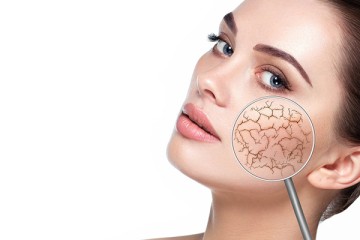

Top 5 Benefits Of Collagen For Skin
- Key Takeaways
- 1. Improves Skin Elasticity and Firmness
- 2. Reduces Wrinkles and Fine Lines
- 3. Enhances Skin Hydration
- 4. Supports Skin Healing and Repair
- 5. Promotes a Natural, Youthful Glow
- 6. Types of Collagen Best for Skin Health
- 7. How to Use Collagen for Maximum Skin Benefits
- 8. Frequently Asked Questions About Collagen for Skin
- Conclusion
Inside your skin, collagen works with elastin and keratin to support the dermal matrix, the deeper framework that gives skin its shape and spring. Fibroblasts, the cells that help build this connective tissue, produce collagen naturally. That system runs beautifully for a while. Then age, UV exposure, stress, smoking, and everyday wear start slowing things down. Less collagen tends to mean thinner-looking skin, weaker skin elasticity, and a surface that does not snap back the way it once did.
That is why the benefits of collagen keep showing up in modern beauty conversations. Topical care can help support the skin barrier. Collagen supplements for skin may help from within, especially when paired with a nutrient-rich routine. Research discussed by the National Institutes of Health has explored collagen peptides and skin appearance, while the U.S. Food and Drug Administration regulates cosmetics and dietary supplements under different frameworks, which matters when you are comparing labels and claims.
Key Takeaways
- Collagen improves skin elasticity and helps skin feel firmer.
- Collagen for wrinkles may soften the look of fine lines over time.
- Collagen supports hydration, moisture retention, and barrier strength.
- Collagen helps tissue repair during wound healing and skin recovery.
- Collagen for youthful skin often shows up as better tone, texture, and glow.
1. Improves Skin Elasticity and Firmness
Firm skin is really about structure. When your dermis has strong support, skin looks lifted, dense, and a bit more rested. When that support starts thinning out, the face can look softer in a way that is not always flattering.
Type I collagen and Type III collagen are the major forms involved here. They help maintain structural integrity in the dermis, where fibroblasts produce proteins that support tissue strength. Skin elasticity depends on collagen, elastin, and hydration working together. Take one piece away and the whole surface starts acting different.
That is where collagen for skin elasticity gets interesting. Oral collagen peptides appear to support protein synthesis by supplying amino acids that the body uses, including glycine, proline, and hydroxyproline. In practice, the change is usually subtle at first. Skin often feels a bit more resilient before it looks dramatically firmer.
Hyaluronic acid matters here too. Better moisture balance can make skin look fuller, and fuller skin tends to read as firmer skin. So when people talk about collagen anti-aging benefits, they are often noticing a combination of dermal density, hydration, and tissue support rather than one dramatic overnight effect.

2. Reduces Wrinkles and Fine Lines
Wrinkles do not appear out of nowhere. Repeated facial movement, sun exposure, dehydration, and collagen depletion all play a role. Over time, the skin’s support network gets thinner, and lines that once disappeared after expression begin sticking around.
This is why anti-aging collagen gets so much attention. Collagen peptides for skin are broken into smaller chains for better protein absorption, and those peptides deliver amino acids such as glycine and proline, which are important building blocks for dermal repair. That does not mean every scoop erases lines. It means the skin may gradually look smoother as the underlying matrix gets more support.
Topical versus ingestible collagen is where confusion usually starts.
| Form | How it works | Best use | What tends to differ |
|---|---|---|---|
| Topical collagen | Sits mostly on the skin surface and supports hydration feel | Temporary softness and surface comfort | Feels nice fast, but deeper wrinkle reduction is limited |
| Collagen peptides | Provides peptides and amino acids through digestion | Longer-term skin rejuvenation support | Takes more patience, but often aligns better with wrinkle reduction collagen goals |
That difference matters. A cream can make your face feel immediately cushioned. A supplement works on a slower timeline, and that slower timeline is the part many people underestimate.
3. Enhances Skin Hydration
Dry skin often looks tired before it looks flaky. It can lose that light-reflecting, smooth texture and start looking flat. Collagen for skin hydration helps because collagen supports the dermis, where water-binding systems contribute to plumpness and flexibility.
There is also a strong relationship between collagen and hyaluronic acid. Hyaluronic acid helps hold water. Collagen helps support the structure around that water. Together, they influence skin plumpness and hydration balance. When collagen levels are healthier, the skin may handle trans-epidermal water loss a bit better, which supports a stronger moisture barrier.
This is one reason collagen for dry skin gets folded into glow conversations. Hydrated skin reflects light more evenly. It looks smoother. Makeup sits better. The whole face seems less stressed, even when sleep says otherwise.
A few common signs that collagen moisture benefits may be showing up:
- Skin feels less tight after cleansing
- Texture looks smoother around the cheeks
- Fine dehydration lines appear softer
- The epidermis looks more even and a little fuller
That glow is not magic. It is usually hydration plus better surface condition, which is less glamorous and more useful.
4. Supports Skin Healing and Repair
Collagen is deeply involved in wound healing. When skin is injured, the body uses collagen as part of the rebuilding process for connective tissue and scar tissue. That makes collagen for skin repair especially relevant after breakouts, minor skin damage, aesthetic procedures, or general barrier disruption.
Amino acids are central here because tissue regeneration requires raw material. During skin recovery, collagen helps provide structural support while the body works through cellular repair. In dermatology, collagen-based dressings and regenerative approaches have long been part of conversations around healing support.
For collagen wound healing benefits, the timing is important. Healing is not one straight line. Some days skin looks calmer, then suddenly red again. Still, collagen’s regenerative properties help support that repair environment, and that is one reason collagen for scars and collagen skin regeneration stay firmly in the skincare discussion.
A few practical observations worth keeping in mind:
- Recovery tends to look better when collagen support is paired with gentle skincare
- Inflammation reduction matters just as much as rebuilding
- Post-procedure skin usually responds better to consistency than intensity
5. Promotes a Natural, Youthful Glow
A youthful glow is not only about brightness. It is about even skin tone, smooth complexion, and that slightly springy look healthy skin has when it is well supported. Collagen for glowing skin helps because skin vitality depends on structure as much as surface care.
As collagen levels decline, skin can look thinner, rougher, and less luminous. With stronger nutritional support, especially when collagen is paired with vitamins, antioxidants, peptides, and well-formulated nutraceuticals, the skin may start looking more balanced. Not filtered. Just healthier.
This is where collagen beauty benefits become visible in a very everyday way. Skin tone looks more even. Texture looks calmer. The face catches light better. That radiant appearance often reads as youth, even when there is still movement, texture, and the occasional annoying line near the mouth.
6. Types of Collagen Best for Skin Health
Not all collagen types do the same job. Type I collagen is generally the most relevant type for skin health, with Type III collagen also playing a supporting role in skin structure and elasticity.
Marine collagen and bovine collagen are the most common options in beauty supplements.
| Type | Main source | Skin relevance | Difference worth noticing |
|---|---|---|---|
| Type I Collagen | Marine or bovine | Strong support for skin, hair, and nails | Often the top choice for collagen protein for skin |
| Type III Collagen | Usually bovine | Supports skin and connective tissue | Often paired with Type I for broader tissue support |
| Type II Collagen | Usually chicken | More relevant to cartilage and joints | Less targeted for skin-focused goals |
Hydrolyzed collagen for skin is popular because hydrolyzed forms are broken into smaller peptides, which may improve bioavailability and peptide absorption. Molecular structure matters here. Smaller peptides are simply easier to work with in a supplement format.

7. How to Use Collagen for Maximum Skin Benefits
Collagen supplements for skin come as powders, capsules, drinks, and gummies. Collagen powder is often the easiest format because dosage is easier to control. Many products provide around 2.5 to 10 grams daily, which is a common range used in skin-focused research, though product quality and formulation vary.
Vitamin C matters a lot because it supports the body’s natural collagen production. Without enough vitamin C, collagen synthesis is less efficient. That pairing shows up again and again for good reason.
Ways collagen often fits into a skin health regimen:
- Add collagen powder to coffee, smoothies, or yogurt
- Pair supplements with vitamin C-rich foods such as citrus or berries
- Use skincare products that support the barrier while supplementation works gradually
- Include collagen-supportive foods such as bone broth, eggs, fish, and protein-rich meals
Natural ways to boost collagen also matter: daily sunscreen, enough protein, less smoking, and less chronic sun damage. None of that sounds glamorous. It works anyway.
8. Frequently Asked Questions About Collagen for Skin
How long does collagen take to work?
Most people who notice a change tend to report it after roughly 8 to 12 weeks. Hydration may improve first. Firmness and fine line changes often take longer.
Is collagen safe for daily use?
For many healthy adults, collagen is generally considered safe for daily use when taken as directed. Product quality, allergens, and ingredient sourcing still matter. FDA guidelines for supplements do not work the same way as prescription drug approval, so label-reading counts.
What age should you start taking collagen?
There is no perfect age. Collagen production begins declining in adulthood, and many people get interested in collagen for youthful skin in their late 20s, 30s, or 40s.
Are there side effects?
Some people experience mild digestive discomfort, taste fatigue, or ingredient-related reactions. Marine collagen, bovine collagen, and flavored blends can each raise different tolerance issues.
Does collagen really improve skin?
Clinical studies suggest collagen may support skin elasticity, hydration, and wrinkle appearance in some people. Results vary, but the question is no longer whether collagen is relevant. The real question is how consistent the routine is, and whether the product is actually formulated well.
Conclusion
Collagen for skin keeps earning attention because the benefits are practical, visible, and tied to how skin actually functions. Better elasticity. Fewer visible fine lines. More hydration. Stronger repair support. A healthier glow that looks like skin, not shine. In a skincare world crowded with noise, those collagen skincare benefits remain surprisingly grounded.
- Related post: The 6 Best Vitamins Good For Skin