
How To Get Rid Of Forehead Acne Naturally?
- What Causes Forehead Acne?
- How To Get Rid Of Forehead Acne Naturally With Gentle Cleansing
- Use Natural Ingredients That Reduce Inflammation
- Control Oil Production Naturally
- Adjust Your Diet to Support Clear Skin
- Manage Stress to Prevent Forehead Breakouts
- Improve Hygiene Habits That Affect the Forehead
- Avoid Pore-Clogging Hair and Skin Products
- Try Natural Spot Treatments for Faster Results
- When Natural Remedies Are Not Enough
- How Long Does It Take To Clear Forehead Acne Naturally?
- Daily Natural Skincare Routine for Clear Forehead Skin
- FAQs
- Conclusion
In the United States, forehead breakouts are incredibly common because daily routines practically encourage them. Sweat from gym sessions, long commutes, baseball caps, dry shampoo, energy drinks, stress scrolling at 1 a.m. — all of it adds up. According to the American Academy of Dermatology, acne affects up to 50 million Americans every year, making it the most common skin condition in the country.
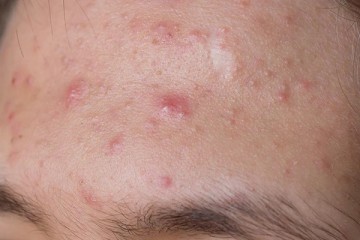
The frustrating part? Forehead acne often feels stubborn. Tiny bumps stay under the skin for weeks, while inflamed pimples seem to appear overnight.
The good news is that natural remedies actually help when they're used consistently and realistically. Not aggressively. Not with a dozen trendy products layered together like frosting on a cake.
This guide breaks down what genuinely tends to work in real life.
What Causes Forehead Acne?
Forehead acne usually starts with clogged pores, excess sebum, inflammation, and bacteria buildup.
But everyday American habits often make the situation worse.
Common forehead acne triggers
- Sweating during workouts
- Heavy hair products
- Stress from school or work
- High-sugar diets
- Hormonal fluctuations
- Wearing hats or headbands for long periods
Now, here's the interesting part. Forehead skin contains a high concentration of sebaceous glands. Those glands produce oil naturally, but stress, hormones, and heat can push them into overdrive.
And then comes product buildup.
Pomades, styling gels, dry shampoo, leave-in conditioners — they migrate onto the forehead throughout the day. Dermatologists even use the term “pomade acne” because it's so common.
Fast food diets also play a role. High-glycemic foods create insulin spikes that increase inflammation and oil production. In practice, many people notice flare-ups after stretches of soda, chips, takeout, and sugary coffee drinks.
It doesn't mean pizza causes acne overnight. Skin is more complicated than that. Still, inflammation tends to show up eventually.
How To Get Rid Of Forehead Acne Naturally With Gentle Cleansing
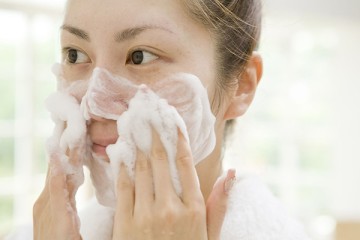
Gentle cleansing sounds boring. Honestly, that's part of why people skip it.
But overwashing creates irritation, and irritated skin often produces even more oil. That cycle becomes brutal fast.
A simple cleansing routine works best
| Habit | What Tends To Happen |
|---|---|
| Washing twice daily | Removes sweat and excess oil without stripping skin |
| Using lukewarm water | Protects the skin barrier |
| Avoiding harsh scrubs | Reduces irritation and microtears |
| Choosing fragrance-free cleansers | Helps sensitive skin stay calm |
Cleansers with ceramides, aloe vera, or chamomile usually feel gentler on inflamed skin.
Popular U.S. drugstore options include CeraVe Hydrating Cleanser and Neutrogena Ultra Gentle Daily Cleanser.
Here's where many people get tripped up: squeaky-clean skin isn't healthy skin. That tight, stretched feeling after washing often means the skin barrier is compromised.
And once that happens, redness and breakouts can get worse.
Use Natural Ingredients That Reduce Inflammation
Natural remedies work best when the goal is calming inflammation instead of “drying out” every blemish.
That's a major difference.
Aloe Vera
Aloe vera hydrates skin while reducing redness. It also supports healing in irritated areas.
Pure aloe gel tends to work better than heavily fragranced versions. Refrigerated aloe feels especially soothing after sweating or sun exposure.
Tea Tree Oil
Tea tree oil contains antimicrobial properties that help reduce acne-causing bacteria.
But concentration matters.
Undiluted tea tree oil can irritate skin quickly, especially on sensitive foreheads. Most dermatology research supports diluted concentrations around 5%.
A few drops mixed into a carrier oil or moisturizer usually works better than applying it straight from the bottle.
Raw Honey or Manuka Honey
Honey sounds messy because it is messy.
Still, raw honey contains antioxidants and antibacterial compounds that help calm inflamed pimples. Manuka honey, in particular, has gained attention for wound-healing support.
A thin layer left on the skin for 10 to 15 minutes often feels surprisingly calming.
Apple Cider Vinegar
Apple cider vinegar acts as a natural toner due to its acidic properties.
Dilution is critical here.
A typical mixture uses one part vinegar and three parts water. Anything stronger can disrupt pH balance and irritate the skin microbiome.
Control Oil Production Naturally
Excess oil feeds acne. That's the core issue for many forehead breakouts.
The goal isn't eliminating oil completely. Healthy skin needs some oil. The goal is balance.
Natural ways to reduce excess oil
- Bentonite clay masks
- Witch hazel toner
- Lightweight moisturizers
- Avoiding greasy hair products
- Regular pillowcase washing
Clay masks deserve extra attention because they absorb excess sebum effectively.
Bentonite clay, in particular, works almost like a magnet for oil and debris. Once or twice weekly is usually enough. More than that can leave skin dehydrated and reactive.
Comparison Table: Popular Natural Remedies for Forehead Acne
| Remedy | Best For | Texture/Feel | Results Timeline | Personal Commentary on Differences |
|---|---|---|---|---|
| Aloe vera | Redness and irritation | Cooling and lightweight | 1–2 weeks | Feels the gentlest and layers easily under moisturizer |
| Tea tree oil | Inflamed pimples | Strong and medicinal | 2–4 weeks | Works faster for active breakouts but can irritate sensitive skin |
| Bentonite clay | Oily skin | Drying mask | Immediate oil control | Great before events because it temporarily mattifies skin |
| Honey masks | Sensitive acne-prone skin | Sticky but soothing | 2–3 weeks | Better for calming than aggressively clearing acne |
| Apple cider vinegar | Mild congestion | Watery toner | 3–4 weeks | Too harsh for some skin types if overused |
The biggest difference comes down to skin tolerance. Oily skin often handles clay and tea tree oil better, while reactive skin usually responds more positively to aloe and honey.
Adjust Your Diet to Support Clear Skin
Diet doesn't cause every breakout, but inflammation from food absolutely affects skin for many people.
That connection becomes obvious after a few weeks of consistent eating habits.
Dietary habits linked to clearer skin
- Reducing sugary drinks
- Limiting dairy
- Eating omega-3-rich foods
- Drinking more water
- Cutting back on processed snacks
High-glycemic diets remain extremely common in the U.S. Soda, breakfast pastries, fries, candy, and energy drinks trigger insulin spikes that increase inflammation response.
Omega-3 foods help counterbalance that.
Salmon, walnuts, chia seeds, and flaxseed support skin health because they reduce inflammatory activity in the body.
Hydration matters too. Dehydrated skin sometimes compensates by producing more oil, which feels wildly unfair, honestly.
Manage Stress to Prevent Forehead Breakouts
Stress acne is real.
Cortisol levels rise during periods of anxiety and poor sleep, which increases oil production and inflammation.
And modern American schedules don't exactly help.
Long work hours. Constant notifications. Late-night scrolling. Coffee replacing sleep.
The skin notices all of it.
Natural stress-reduction habits
- Walking outdoors
- Yoga classes
- Meditation apps like Headspace
- Regular sleep schedules
- Short digital detox periods
Sleep changes skin more than many expensive serums ever will.
Most people notice fewer inflamed breakouts after getting consistent sleep for even two weeks. The skin tone starts looking calmer. Less angry. Less congested.
Not perfect. Just healthier.
Improve Hygiene Habits That Affect the Forehead
Tiny habits often make a bigger difference than trendy skincare products.
Especially with forehead acne.
Helpful hygiene changes
- Wash pillowcases weekly
- Clean hats regularly
- Keep sweaty hair off the forehead
- Avoid touching the skin
- Sanitize phones and sunglasses
Baseball caps and beanies trap sweat, oil, and bacteria against the forehead. During summer months in places like Texas, Florida, or Southern California, heat and humidity intensify the problem fast.
Friction also matters.
Headbands, helmets, and tight hats create repeated rubbing that irritates follicles and traps sweat underneath.
Avoid Pore-Clogging Hair and Skin Products
Many people treat forehead acne with skincare while completely ignoring hair products sitting directly above the breakout zone.
That usually backfires.
Ingredients that may clog pores
- Heavy oils
- Silicones
- Coconut oil
- Petrolatum-heavy formulas
- Thick pomades
Checking labels for “non-comedogenic” helps narrow down safer choices.
Retailers like Target, Ulta, and CVS now label acne-friendly formulas much more clearly than they did a decade ago, which honestly makes shopping less confusing.
Dry shampoo is another sneaky trigger.
Product buildup accumulates near the hairline over time, especially when workouts and sweating enter the picture.
Try Natural Spot Treatments for Faster Results
Spot treatments help reduce swelling and redness while breakouts heal naturally.
Effective natural spot treatments
Ice Compress
Ice reduces inflammation quickly.
Wrap ice in a clean cloth and apply it for about one minute at a time. This doesn't erase pimples instantly, but it noticeably decreases swelling.
Diluted Tea Tree Oil
Tea tree oil works well for inflamed whiteheads because of its antibacterial effect.
Again, dilution matters.
Green Tea Extract
Green tea contains antioxidants that help calm irritation and reduce oil production.
Some people refrigerate brewed green tea and apply it with cotton pads as a cooling treatment.
Turmeric Paste
Turmeric has anti-inflammatory properties, although it can temporarily stain lighter skin tones and fabrics.
A small amount mixed with honey tends to work better than thick DIY masks floating around social media.
One important thing: avoid popping pimples.
That habit spreads bacteria deeper into pores and increases scar risk significantly.
When Natural Remedies Are Not Enough
Natural remedies help mild to moderate acne most of the time.
But persistent cystic acne often needs medical support.
Signs it's time to see a dermatologist
- Painful cystic breakouts
- Acne lasting longer than 8 weeks
- Visible scarring
- Deep inflammation
- Acne affecting mental health
Dermatologists may recommend treatments such as:
- Prescription retinoids
- Benzoyl peroxide
- Antibiotics
- Hormonal therapy
- Isotretinoin for severe cases
In the United States, dermatology visits often cost between $100 and $250 without insurance coverage.
The American Academy of Dermatology offers reliable guidance and dermatologist directories online.
How Long Does It Take To Clear Forehead Acne Naturally?
Natural acne treatment requires patience. That's probably the least exciting answer possible, but it's accurate.
Typical timelines
| Acne Severity | Estimated Timeline |
|---|---|
| Mild acne | 2–4 weeks |
| Moderate acne | 4–8 weeks |
| Severe acne | Often requires medical treatment |
Skin renewal cycles take roughly 28 days, sometimes longer in adults.
That means inflammation healing and cell turnover happen gradually. Most people start noticing subtle improvements first: less redness, smaller bumps, reduced oiliness.
Then clearer skin follows.
Consistency matters more than intensity.
Throwing six treatments at the skin simultaneously usually creates irritation instead of results.
Daily Natural Skincare Routine for Clear Forehead Skin
A simple routine tends to outperform complicated routines packed with trendy products.
Morning Routine
- Gentle cleanser
- Aloe vera gel
- Oil-free moisturizer
- Broad-spectrum SPF sunscreen
Evening Routine
- Gentle cleanse
- Tea tree or green tea spot treatment
- Lightweight moisturizer
That's it.
No 14-step routine. No aggressive scrubbing. No random TikTok hacks involving toothpaste or lemon juice.
Skin barriers heal better with consistency and balance.
FAQs
Why does exercise affect height growth?
Exercise does not directly make people dramatically taller after growth plates close. However, physical activity supports posture, bone health, muscle strength, and hormone regulation during adolescence. Stretching and strength training can improve spinal alignment, which sometimes creates the appearance of added height.
Does sweating cause forehead acne?
Sweat alone doesn't cause acne. The problem usually comes from sweat mixing with oil, bacteria, and product buildup on the skin.
Is tea tree oil better than benzoyl peroxide?
Tea tree oil tends to feel gentler for some people, but benzoyl peroxide often works faster for moderate acne. Sensitive skin sometimes tolerates tea tree oil more comfortably.
Can diet really affect acne?
For many people, yes. High-sugar diets and excessive dairy intake can increase inflammation and hormonal fluctuations associated with acne.
How often should pillowcases be washed?
Once weekly works well for most people. During periods of heavy sweating or active breakouts, twice weekly may help reduce bacteria transfer.
Conclusion
Forehead acne rarely disappears overnight, despite what flashy skincare ads promise.
What actually works tends to look simpler: gentle cleansing, inflammation control, balanced oil production, cleaner habits, better sleep, and patience. A little consistency goes a long way.
Natural remedies like aloe vera, tea tree oil, bentonite clay, honey, and green tea can genuinely improve mild breakouts when they're used correctly and consistently. The key is avoiding the temptation to attack the skin aggressively.
Healthy skin usually responds better to calm routines than chaotic ones.
And honestly, that's the part many people learn the hard way.