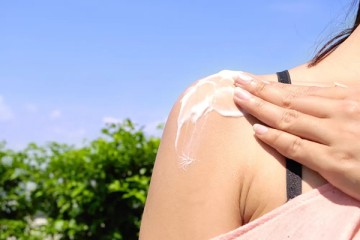

Top 7 Benefits of Green Tea for Your Skin
- 1. Green Tea Protects Against Premature Aging
- 2. Green Tea Helps Reduce Acne and Breakouts
- 3. Green Tea Soothes Redness and Irritation
- 4. Green Tea Supports Even Skin Tone
- 5. Green Tea Improves Skin Hydration
- 6. Green Tea May Help Reduce Puffiness and Under-Eye Circles
- 7. Green Tea Supports Overall Skin Health from the Inside Out
- FAQs About Green Tea Skincare Benefits
- Conclusion
- Sources
American consumers spent more than $90 billion on beauty and personal care products in recent years, according to Statista data [1]. At the same time, clean beauty moved from niche wellness culture into mainstream skincare. Ingredient lists suddenly mattered. People started looking beyond fragrance-heavy creams and focusing on antioxidant compounds, botanical extracts, and dermatologist-supported ingredients.
That’s exactly where green tea entered the conversation.
Derived from Camellia sinensis, green tea contains high polyphenol concentration levels, especially EGCG (Epigallocatechin gallate), one of the most studied plant antioxidants in dermatology research. These compounds help defend skin against free radical damage, support skin barrier function, and calm visible irritation after topical application.
And honestly, green tea fits modern skincare habits perfectly. It feels familiar. Safe. Less intimidating than acid-heavy routines that sometimes leave skin looking angry by week two.
According to the American Academy of Dermatology, antioxidants play a meaningful role in protecting skin from environmental stressors like ultraviolet radiation and pollution [2]. Green tea delivers those antioxidants in a surprisingly versatile way, whether through serums, moisturizers, masks, or simply drinking a warm cup every morning.
Now, here’s the interesting part: green tea skincare benefits aren’t based on hype alone. Multiple clinical and laboratory studies support its role in anti-aging, acne control, hydration, and redness reduction.
1. Green Tea Protects Against Premature Aging
One of the biggest green tea benefits for skin involves protection against oxidative stress. That process sounds technical, but the visible result is familiar: fine lines, dullness, sagging, and wrinkle formation.
Free radicals from ultraviolet radiation break down collagen over time. In sunny states like California, Florida, Arizona, and Texas, that constant UV exposure accelerates photodamage faster than many people realize. Even short daily exposure adds up.
EGCG works as a potent antioxidant that helps neutralize those unstable molecules before they damage skin cells. Research published in the Journal of Nutrition found that green tea polyphenols may reduce UV-induced skin damage and improve elasticity [3].
Vitamin C often gets all the anti-aging attention, and fairly so. But green tea and collagen preservation tend to work differently.
| Ingredient | Primary Strength | Texture Experience | Best For |
|---|---|---|---|
| Green tea extract | Reduces oxidative stress and inflammation | Lightweight and calming | Sensitive or acne-prone skin |
| Vitamin C | Brightens and supports collagen synthesis | Sometimes irritating | Hyperpigmentation and dullness |
| Retinol | Accelerates cell turnover | Strong but drying | Deep wrinkles and texture |
In practice, green tea anti-aging products feel easier to tolerate for most skin types. Less stinging. Less peeling. Fewer “why is the face suddenly flaky?” moments.
What tends to happen after consistent use:
- Fine lines appear softer
- Skin elasticity improves gradually
- Redness linked to photodamage decreases
- Skin texture looks smoother over time
That slower, steady improvement matters. Especially for people who don’t want aggressive resurfacing treatments.
2. Green Tea Helps Reduce Acne and Breakouts
Green tea for acne works because it targets several acne triggers at once instead of attacking only bacteria.
Acne vulgaris develops through a combination of excess sebum, clogged pores, inflammation response, and bacterial growth linked to Propionibacterium acnes. Hormonal imbalance adds another layer, especially for adult acne around the jawline.
Green tea extract helps regulate oil production while calming inflammation. A study in Antioxidants reported that topical green tea formulations reduced sebum secretion significantly after regular use [4].
That matters for oily skin because over-cleansing often backfires. Skin gets stripped, oil production spikes again, and breakouts continue anyway.
Compared with salicylic acid, green tea tends to feel gentler.
| Acne Ingredient | Main Action | Common Side Effect | Skin Type Match |
|---|---|---|---|
| Green tea | Controls oil and inflammation | Mild dryness occasionally | Sensitive oily skin |
| Salicylic acid | Exfoliates clogged pores | Peeling and irritation | Congested acne-prone skin |
| Benzoyl peroxide | Kills acne bacteria | Dryness and bleaching | Moderate inflammatory acne |
Popular products from brands like The Ordinary and Innisfree already combine green tea with niacinamide or lightweight hydrators because the ingredient layers well without overwhelming skin.
A few practical observations from dermatology-focused routines:
- Green tea face wash formulas work best for mild congestion
- Green tea acne treatment serums often help post-breakout redness
- Refrigerated green tea toners feel especially soothing during summer
- Oily skin usually responds better to lightweight gel textures
And yes, consistency matters more than intensity here. Most people notice changes after roughly four to eight weeks, not overnight.
3. Green Tea Soothes Redness and Irritation
Sensitive skin has become surprisingly common in the U.S. Dermatologists frequently connect that rise to over-exfoliation, pollution exposure, stress hormones like cortisol, and overly aggressive skincare trends.
Green tea helps interrupt that cycle.
Its polyphenols contain anti-inflammatory properties that calm skin sensitivity and support barrier repair. That’s particularly helpful after prolonged outdoor exposure during summer holidays like Memorial Day weekends or Fourth of July trips when skin gets overheated fast.
The American Academy of Dermatology notes that anti-inflammatory ingredients can help minimize visible irritation linked to rosacea and environmental triggers [2].
Green tea for redness works because it reduces inflammatory signaling in the skin while reinforcing moisture retention. Basically, skin becomes less reactive over time.
Common situations where topical application helps:
- Post-sun care after beach exposure
- Windburn during cold Northeast winters
- Temporary redness from exfoliating acids
- Heat-triggered flushing
- Mild irritation after shaving
Now, this part surprises many people: calming skincare ingredients often perform better when routines become simpler, not longer.
Ten-step skincare routines look impressive online. Real-life skin barriers often disagree.
A lightweight green tea moisturizer paired with ceramides usually creates more stability than layering six “active” products together. That calmer approach tends to reduce redness faster.
4. Green Tea Supports Even Skin Tone
Hyperpigmentation can linger for months after acne, sun exposure, or inflammation. In southern U.S. states with intense year-round UV radiation, dark spots become especially stubborn.
Green tea for hyperpigmentation works by helping regulate melanin activity and limiting oxidative stress linked to skin discoloration.
EGCG appears to interfere with pathways involved in excess pigment production. That mechanism makes green tea skin brightening products useful for uneven tone without relying entirely on harsh exfoliation.
Compared with niacinamide, green tea feels less targeted but more calming overall.
| Ingredient | Brightening Power | Added Benefit | Irritation Risk |
|---|---|---|---|
| Green tea | Moderate | Anti-inflammatory support | Low |
| Niacinamide | High | Oil control and barrier support | Very low |
| Hydroquinone | Strong | Rapid pigment correction | Higher |
What actually tends to happen with green tea face serum products is subtle but noticeable. Skin starts looking clearer and more balanced rather than dramatically lighter.
That distinction matters.
Healthy-looking complexion clarity usually comes from reduced inflammation and improved barrier function, not bleaching the skin aggressively.
Helpful combinations include:
- Green tea + niacinamide for acne marks
- Green tea + vitamin C for dullness
- Green tea + sunscreen for UV defense
- Green tea + licorice root for discoloration support
Without sunscreen, though, progress slows down considerably. UV radiation keeps triggering pigment production even while treatment products attempt to fade existing spots.
5. Green Tea Improves Skin Hydration
Hydration and moisturization aren’t identical. That distinction gets missed constantly.
Hydration refers to water content inside the epidermis. Moisturization focuses on sealing that hydration into the skin barrier. Green tea contributes to both processes indirectly by reducing transepidermal water loss and supporting barrier resilience.
Cold winters across cities like Chicago, Boston, and New York create the perfect conditions for dehydration. Indoor heating strips moisture from skin quickly. Tightness shows up first. Flaking usually follows.
Green tea moisturizer formulas help because antioxidant compounds calm micro-inflammation that weakens the skin barrier over time.
When paired with hyaluronic acid and ceramides, results become noticeably stronger.
Key hydration benefits include:
- Better water retention
- Reduced tightness after cleansing
- Improved barrier function
- Softer skin texture
- Increased skin resilience
A practical detail many people overlook: green tea toner benefits often come from layering hydration gradually rather than relying on one thick cream.
Lightweight hydration layers usually absorb better and leave less greasy residue, especially in humid climates.
And honestly… greasy skin doesn’t always mean hydrated skin. That misconception creates a lot of accidental dehydration.
6. Green Tea May Help Reduce Puffiness and Under-Eye Circles
Sleep deprivation has practically become part of modern American culture. Long workdays, endless screen exposure, and inconsistent sleep schedules show up quickly around the under-eye area.
That’s where green tea eye treatment products become useful.
Green tea naturally contains caffeine, which promotes vasoconstriction. In simpler terms, blood vessels temporarily narrow, reducing visible puffiness and swelling beneath the eyes.
Cooling eye patches soaked with green tea extract often feel effective because they combine temperature reduction with caffeine-based microcirculation support.
Kiehl’s and several Korean skincare brands use this combination heavily in eye serum formulas.
Green tea for puffiness may help with:
- Morning swelling
- Fluid retention
- Mild dark circles
- Tired-looking eyes
- Temporary under-eye inflammation
Now, realistic expectations matter here.
Genetic dark circles linked to bone structure usually won’t disappear with skincare alone. But puffiness reduction from fluid buildup often improves noticeably within minutes after application.
A small practical trick that consistently works: chilled green tea eye cream stored in the refrigerator tends to perform better during allergy season or after poor sleep.
Simple. Slightly old-school. Effective.
7. Green Tea Supports Overall Skin Health from the Inside Out
Drinking green tea for skin health adds another layer beyond topical products.
Americans increasingly replace sugary sodas with wellness-focused beverages, and green tea sits near the center of that shift. Whole Foods Market and major grocery chains now dedicate entire sections to antioxidant-rich teas and adaptogenic drinks.
The connection between internal health and skin appearance isn’t marketing fluff. Chronic systemic inflammation influences breakouts, dullness, and skin sensitivity.
Green tea contains antioxidants that support cellular repair, reduce inflammation, and assist metabolic processes tied to overall wellness.
Potential internal benefits include:
- Reduced oxidative stress
- Better nutrient absorption
- Lower systemic inflammation
- Support for detoxification pathways
- Improved skin glow over time
Best green tea for skin options usually include minimally processed varieties with higher polyphenol concentration levels:
- Sencha
- Matcha
- Gyokuro
- Jasmine green tea
- Organic loose-leaf blends
And no, dramatic overnight transformations rarely happen from drinking one cup.
What tends to happen instead is gradual improvement. Skin often looks calmer, less inflamed, and more balanced after several months of consistent habits. That cumulative effect matters more than quick-fix promises.
FAQs About Green Tea Skincare Benefits
Is green tea good for your skin every day?
Yes. Daily topical use and moderate consumption generally work well for most skin types because green tea contains antioxidant compounds that support skin barrier function and reduce inflammation.
Can green tea help acne scars?
Green tea may help reduce post-inflammatory redness and mild hyperpigmentation linked to acne scars. Deep textured scars usually require dermatological procedures for significant improvement.
Does green tea lighten skin?
Green tea supports a more even complexion by reducing inflammation and helping regulate excess melanin production. It does not bleach skin.
What skincare products contain green tea extract?
Common products include cleansers, toners, moisturizers, sheet masks, eye creams, and brightening serums. Korean skincare brands frequently feature green tea as a core ingredient.
Can sensitive skin use green tea skincare?
Most sensitive skin types tolerate green tea well because of its calming and anti-inflammatory properties. Patch testing still helps reduce irritation risk.
Conclusion
Green tea skincare benefits extend far beyond trendy packaging or wellness marketing. Backed by scientific research and dermatologist interest, green tea supports healthier skin through antioxidant protection, hydration support, inflammation reduction, and barrier repair.
That versatility explains why green tea remains relevant year after year while many skincare trends disappear within a season.
For most people, the strongest results come from combining topical green tea products with consistent daily habits: sunscreen, hydration, balanced nutrition, and patience. Not glamorous advice, maybe. But skin tends to reward consistency more than intensity.
And honestly, green tea’s biggest advantage may be balance. It works quietly. Steadily. Without demanding an extreme routine.
Sources
[1] Statista – U.S. Beauty & Personal Care Market Revenue
[2] American Academy of Dermatology – Skin Care and Antioxidant Guidance
[3] Journal of Nutrition – Green Tea Polyphenols and UV Protection Research
[4] Antioxidants Journal – Effects of Topical Green Tea on Sebum Production