
The Benefits of Regular Exfoliation for Your Skin
- What Is Regular Exfoliation?
- Benefit #1: Brighter and More Radiant Skin
- Benefit #2: Fewer Breakouts and Clearer Pores
- Benefit #3: Improved Absorption of Skincare Products
- Benefit #4: Smoother Skin Texture and Anti-Aging Support
- Physical vs. Chemical Exfoliation: Which Is Better?
- How to Safely Add Regular Exfoliation to Your Routine
- Common Mistakes to Avoid with Regular Exfoliation
- Conclusion
Walk through Sephora or Ulta Beauty for five minutes and the trend becomes obvious. Acid toners. Enzyme masks. “Glow” pads. Overnight peels. Dermatologist-tested scrubs lined up beside over-the-counter skincare serums promising brighter skin by next week. Americans spend billions of dollars every year on skincare because healthy-looking skin now sits somewhere between wellness, self-care, and everyday confidence.
And honestly, the shift makes sense.
Between stress, UV exposure, dry indoor heating, pollution, makeup buildup, and long workdays, the stratum corneum — the outermost layer of skin — tends to hold onto dead skin cells longer than it used to. Skin starts looking tired even when skincare products cost a small fortune.
Exfoliation changes that.
Physical exfoliation uses small particles or tools to manually remove buildup. Chemical exfoliation uses ingredients like alpha hydroxy acids (AHA) or beta hydroxy acids (BHA) to dissolve debris and loosen keratinized cells inside the epidermis. Both approaches target dullness, congestion, uneven texture, and sluggish skin renewal.
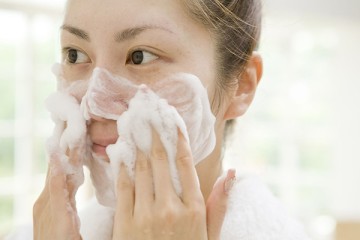
Cleansing and exfoliating also aren’t the same thing. Cleansers remove surface dirt, oil, sweat, and makeup. Exfoliation goes deeper by helping detach dead skin cells that cling to the skin barrier.
The benefits of exfoliation show up gradually but noticeably:
- Brighter complexion
- Fewer clogged pores
- Smoother texture
- Better skincare absorption
- More even-looking tone
- Softer fine lines over time
According to guidance from the American Academy of Dermatology (AAD), consistency matters far more than intensity. In practice, gentle regular exfoliation for skin health tends to outperform aggressive scrubbing every single time.
What Is Regular Exfoliation?
Exfoliation supports your skin’s natural shedding cycle, which usually takes about 28 days in younger adults and closer to 40 days as skin matures.
That slowdown matters.
When dead skin cells remain trapped on the surface longer, skin can appear rough, flaky, uneven, or congested. The epidermis loses some of its fresh reflective quality. Makeup sits differently. Serums stop absorbing as efficiently. The whole complexion starts looking a little “off,” even when hydration levels are decent.
Chemical vs Physical Exfoliation
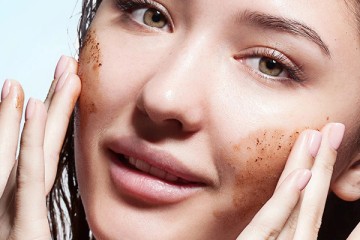
Physical exfoliation removes buildup manually through:
- Scrubs
- Cleansing brushes
- Microdermabrasion tools
- Textured pads
Chemical exfoliation uses acids or enzymes to dissolve debris:
- Glycolic acid (AHA)
- Lactic acid
- Salicylic acid (BHA)
- Enzyme exfoliants
AHA vs BHA discussions dominate skincare forums for a reason. AHAs work mostly on the skin’s surface and help with texture and dullness. BHAs penetrate oil and pore congestion more effectively, which makes salicylic acid especially useful for acne-prone skin.
How Often to Exfoliate
Skin type changes the ideal exfoliation frequency.
| Skin Type | Typical Frequency | Common Ingredients | Notes |
|---|---|---|---|
| Oily skin | 2–4 times weekly | Salicylic acid, BHAs | Helps reduce sebum buildup |
| Dry skin | 1–2 times weekly | Lactic acid, enzyme exfoliants | Protects hydration levels |
| Sensitive skin | 1 time weekly | Polyhydroxy acids, gentle enzymes | Lower irritation risk |
| Combination skin | 2–3 times weekly | Glycolic acid + mild scrubs | Targets uneven areas |
Dry American winters also change the equation. Heated indoor air weakens the skin barrier faster, so many people scale back exfoliation frequency between November and February. Humid summers often allow slightly more frequent use.
Over-exfoliation, though… that’s where problems start.
Redness, inflammation, tightness, flaking, and disrupted pH balance usually signal that the skin barrier needs recovery time.
Benefit #1: Brighter and More Radiant Skin
Regular exfoliation improves skin tone by removing dull surface buildup and revealing fresher skin underneath.
That “glow” people talk about isn’t magic. It’s light reflection.
When dead skin cells accumulate unevenly across the complexion, skin scatters light irregularly and looks flat. Exfoliation smooths the surface, which helps skin reflect light more evenly. The difference often becomes visible within a few weeks, especially when paired with ingredients like Vitamin C or niacinamide.
Brands like The Ordinary and L’Oréal USA built entire product lines around this idea because uneven tone remains one of the biggest skincare concerns among American consumers.
Hyperpigmentation also plays a major role here.
Sun damage, oxidative stress, post-acne dark spots, and melanin irregularities can leave patches of discoloration that linger for months. Regular exfoliation helps fade these areas gradually by accelerating cellular turnover.
Retinol and exfoliating acids often work especially well together when spaced correctly in a nighttime routine. Dermatologists frequently recommend alternating active ingredients rather than layering everything at once.
And the timeline matters.
Most brighter skin routines don’t create dramatic overnight changes. What actually tends to happen is smaller improvements stacking together:
- Less dullness after 2 weeks
- Smoother makeup application after 3 weeks
- More even complexion after 6–8 weeks
That’s usually the point where exfoliation starts feeling less like a trend and more like maintenance.
Benefit #2: Fewer Breakouts and Clearer Pores
Exfoliation helps unclog pores by removing excess sebum, debris, and dead skin cells before they harden into comedones.
Acne affects millions of Americans every year, including adults well beyond their teenage years. Maskne trends after 2020 only intensified the conversation around pore congestion and inflammatory acne.
Here’s the interesting part: many breakouts begin long before a visible pimple forms.
Inside pores, oil mixes with dead skin cells and bacteria. Once that mixture gets trapped, blackheads, whiteheads, and inflamed blemishes can develop quickly.
Salicylic acid remains one of the most effective ingredients for exfoliating for acne because it’s oil-soluble. That means it can travel inside pores instead of staying only on the surface.
CeraVe and La Roche-Posay USA both use salicylic acid heavily in dermatologist-backed acne products for this exact reason.
Signs Exfoliation May Help Acne-Prone Skin
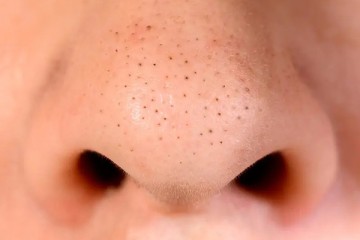
- Persistent blackheads
- Rough texture around the nose
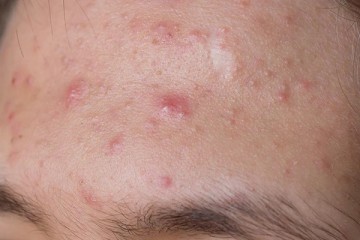
- Recurrent forehead congestion
- Oily shine by midday
- Makeup separating around pores
Benzoyl peroxide targets acne-causing bacteria differently, so many people combine it carefully with exfoliating acids. Spacing active ingredients across separate nights often reduces irritation.
Still, more exfoliation doesn’t automatically mean clearer skin.
Aggressive scrubbing can increase inflammation and trigger more oil production, especially when the skin barrier becomes compromised. The American Academy of Dermatology (AAD) consistently emphasizes gentle routines over harsh abrasion.
Benefit #3: Improved Absorption of Skincare Products
Exfoliation improves skincare absorption by clearing away the dead skin layer that blocks active ingredients from penetrating effectively.
This benefit gets overlooked constantly, even though it’s one of the most financially practical reasons to exfoliate.
Americans spend billions annually on skincare products:
- Hyaluronic acid serums
- Luxury moisturizers
- Peptide creams
- Vitamin C treatments
- Retinol formulas
But thick buildup on the skin surface limits transdermal absorption.
Think about applying a serum over dry, flaky paint. Some product penetrates. A lot simply sits there.
Exfoliation creates a smoother pathway for humectants, occlusives, and active ingredients to distribute more evenly across the skin.
SkinCeuticals and Estée Lauder frequently emphasize layering order because absorption efficiency changes dramatically depending on skin condition.
Morning vs Night Exfoliation
Morning exfoliation often focuses on:
- Smoother makeup application
- Brighter appearance
- Oil control
Nighttime exfoliation usually prioritizes:
- Cellular renewal
- Serum penetration
- Barrier recovery support afterward
For most people, nighttime exfoliation works better because skin naturally enters repair mode overnight.
And honestly, expensive skincare tends to feel more effective after consistent exfoliation. That’s one reason exfoliating routine products remain top sellers at Sephora year after year.
Benefit #4: Smoother Skin Texture and Anti-Aging Support
Regular exfoliation smooths rough texture and supports collagen renewal, which can soften the appearance of fine lines over time.
Skin texture changes gradually with age. The dermis produces less collagen. Elasticity weakens. Cellular renewal slows. Photoaging from cumulative sun exposure starts becoming more visible, especially after age 30.
That’s where anti aging exfoliation becomes valuable.
By encouraging faster turnover, exfoliation helps reduce:
- Rough patches
- Uneven texture
- Fine lines
- Mild discoloration
- Early wrinkle formation
Retinol, peptides, and exfoliating acids often appear together in youthful skin routines because they target different layers of skin aging.
Olay and other major skincare brands leaned heavily into collagen-support messaging partly because smoother skin texture photographs differently. Holiday season skincare searches spike every November for that exact reason. Thanksgiving dinners and Christmas photos have a funny way of making people suddenly notice texture issues under bright lighting.
What Actually Happens Over Time
Immediate effects:
- Softer skin
- Better glow
- Smoother makeup
Longer-term effects:
- More refined texture
- Gradual fading of roughness
- Improved elasticity appearance
The process stays gradual, though. Skin rarely transforms in seven days despite what marketing campaigns suggest.
Physical vs. Chemical Exfoliation: Which Is Better?
Chemical exfoliation usually provides more even results with less irritation risk than harsh physical scrubs, especially for sensitive skin.
That said, the “best exfoliation method” depends heavily on skin type, budget, and tolerance level.
| Method | Best For | Potential Downsides | Budget Range |
|---|---|---|---|
| Physical scrubs | Thick or oily skin | Can create micro-irritation | $10–$30 |
| Chemical exfoliants | Uneven tone, acne, aging | Purging or sensitivity | $15–$40 |
| Enzyme exfoliants | Sensitive skin | Slower visible results | $20–$45 |
| Microdermabrasion | Texture refinement | Temporary redness | $75–$200 |
| Chemical peels | Pigmentation and wrinkles | Recovery time needed | $100–$400 |
Paula’s Choice helped popularize leave-on chemical exfoliants partly because abrasive particles in older scrubs sometimes damaged delicate skin.
Sensitive skin exfoliation usually responds better to:
- Lactic acid
- Mandelic acid
- Enzyme exfoliants
- Low-strength BHAs
Patch testing matters more than people expect. A product that works beautifully for one person can trigger irritation quickly for another.
And honestly, plenty of affordable exfoliants under $30 perform just as well as prestige products sold at Sephora.
How to Safely Add Regular Exfoliation to Your Routine
A safe exfoliation routine protects the skin barrier while improving texture, clarity, and hydration balance.
Beginner Exfoliation Guide
For Dry Skin
- Exfoliate 1–2 nights weekly
- Use hydrating ingredients afterward
- Prioritize barrier repair creams
For Oily Skin
- Exfoliate 2–4 nights weekly
- Focus on salicylic acid formulas
- Avoid overly stripping cleansers
For Sensitive Skin
- Start once weekly
- Use enzyme or mild acid exfoliants
- Increase slowly only if tolerated
SPF also becomes non-negotiable after exfoliating.
Freshly exfoliated skin becomes more vulnerable to UV exposure, especially after AHAs or chemical peels. The American Academy of Dermatology (AAD) recommends broad-spectrum sunscreen daily, and brands like Neutrogena and EltaMD remain popular partly because lightweight SPF formulas layer more comfortably under makeup.
Signs Skin Needs a Break
- Persistent redness
- Stinging
- Tightness
- Flaking
- Increased sensitivity
Travel can change skin behavior too. Airplane cabins, climate shifts, and hotel water quality often increase dehydration. Many experienced skincare users reduce exfoliation frequency temporarily during travel weeks.
Common Mistakes to Avoid with Regular Exfoliation
Over-exfoliation remains the most common skincare routine error associated with exfoliating products.
Social media trends accelerated the problem. TikTok routines featuring multiple acids, retinoids, and aggressive peels stacked together created a wave of irritated skin barriers over the last few years.
Common Exfoliation Mistakes
Mixing Too Many Strong Actives
Retinoids, chemical peels, and high-strength acids layered together can trigger inflammation fast.
Ignoring Skin Type
Oily skin and sensitive skin rarely tolerate the same exfoliation frequency.
Skipping Sunscreen
UV exposure increases after exfoliation, especially with AHAs.
Scrubbing Too Hard
Pressure doesn’t improve results. It usually increases irritation.
Chasing Instant Results
Healthy skin renewal works slowly. Most meaningful changes appear over weeks, not overnight.
Dermatologists consistently emphasize moderation because damaged skin barriers can take months to recover fully.
Conclusion
The benefits of exfoliation extend far beyond temporary glow.
Regular exfoliation for skin health supports clearer pores, smoother texture, brighter tone, stronger product absorption, and gradual anti-aging support. The key difference comes from consistency and balance rather than intensity.
Most people don’t need aggressive scrubs or complicated 12-step systems. A thoughtful exfoliating routine tailored to skin type usually delivers better long-term results with fewer setbacks.
And that’s probably the biggest lesson hidden underneath the skincare marketing noise: healthy skin tends to respond best to patience, gentle maintenance, and routines that actually fit real life